Design Your Bag & Get a Quote
Tell us the bag you want. We reply on WhatsApp with options and a quote, and connect you to a vetted CITES-compliant maker. Bespoke (one piece) or wholesale. Species labelled honestly.
Pricing by quote, no obligation. CITES docs on international orders. We coordinate vetted makers.
Choose Your Leather
We label species honestly — the premium saltwater crocodile (Crocodylus porosus), Nile crocodile, true American alligator, or entry-tier caiman — and never pass embossed calf off as exotic.
Porosus (Saltwater)
Explore porosus →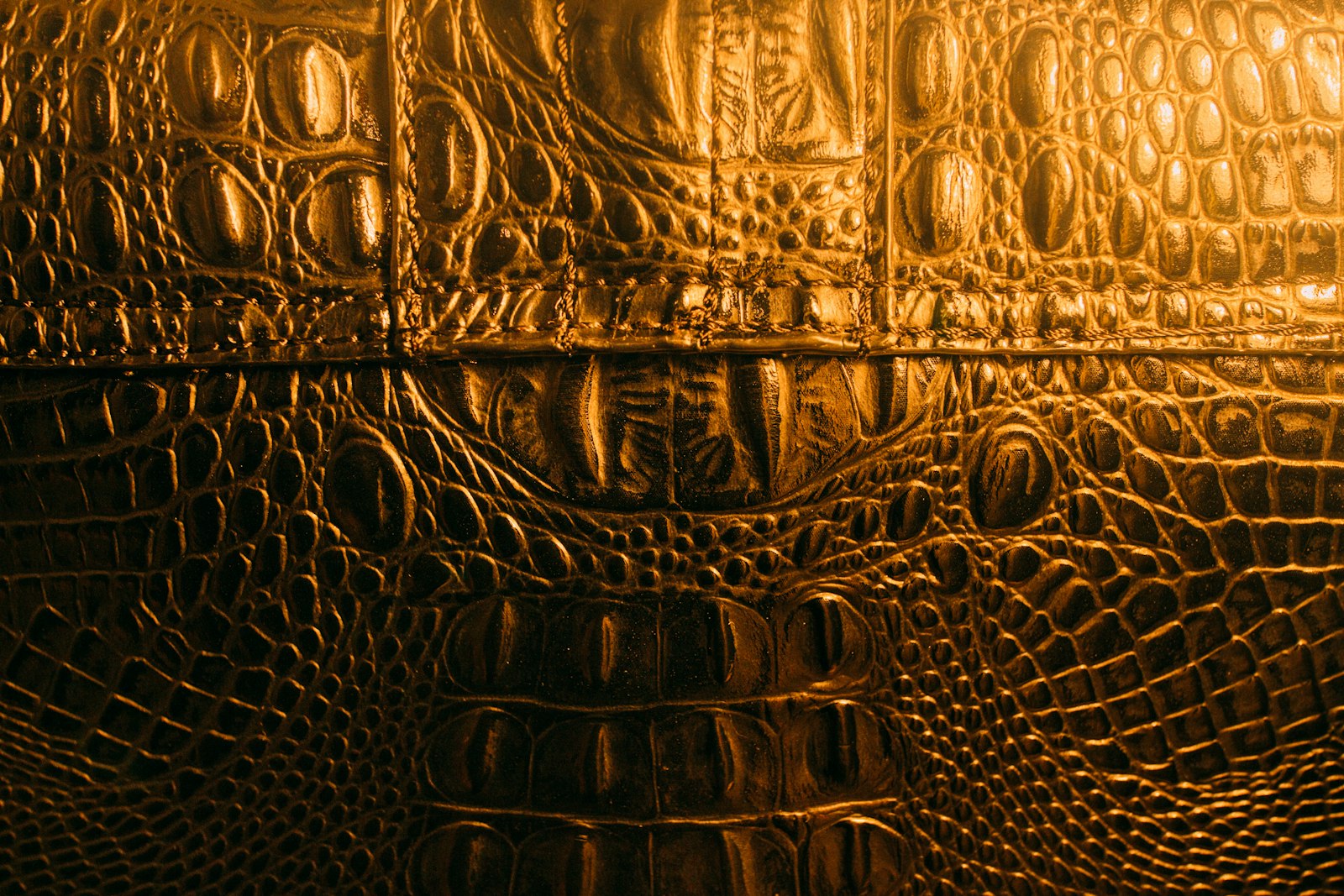
American Alligator
Explore alligator →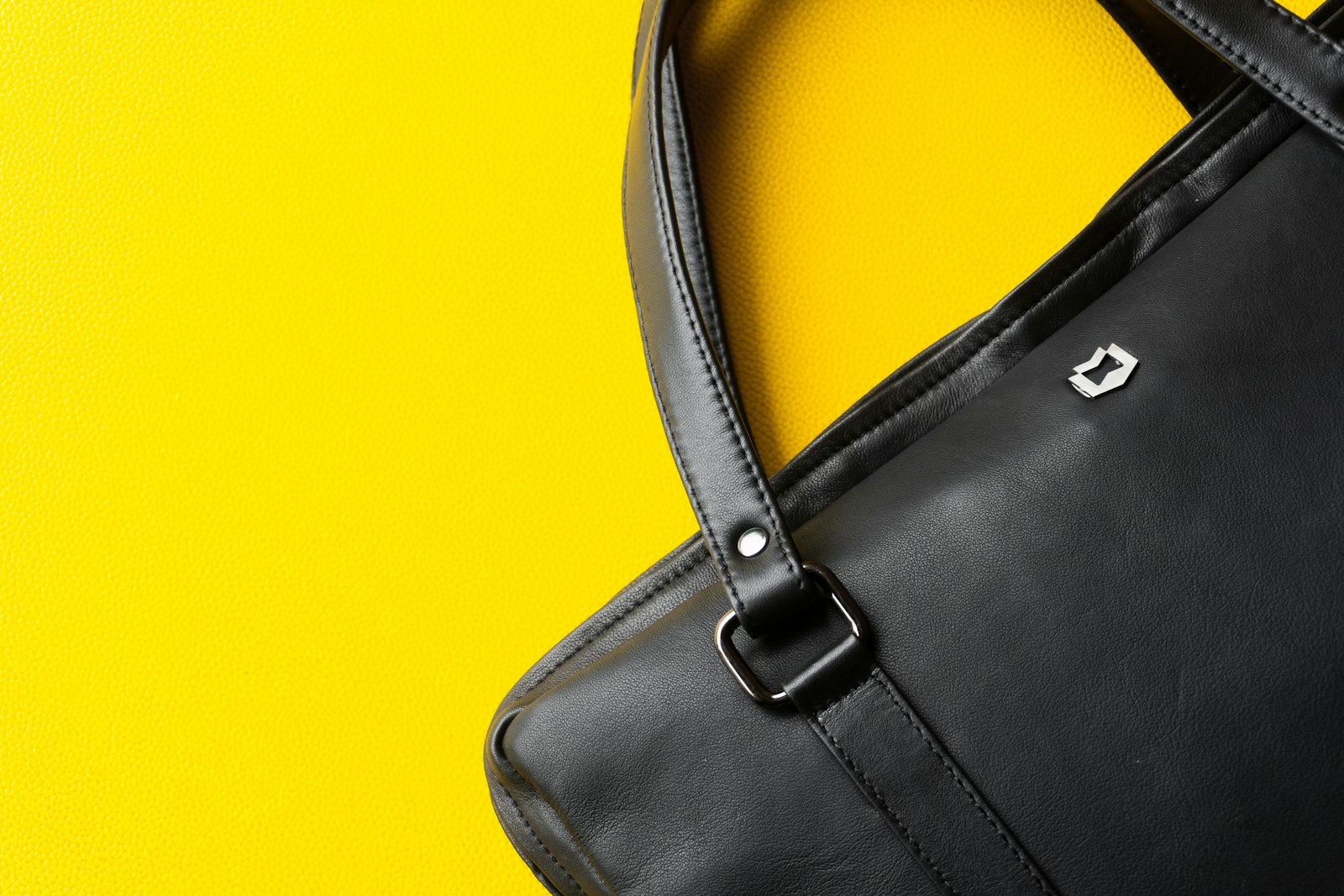
Genuine vs Embossed
How to tell →Design & Buy
Bespoke for one bag, or wholesale and private-label for your brand — specs, price ranges, and the legal facts, decoded. Indicative ranges: artisan crocodile handbags about $3,000–$8,000 depending on species, cut and finish; OEM/wholesale bag bodies about $800–$2,500 from a typical MOQ of 10–30 pieces, priced by quote.
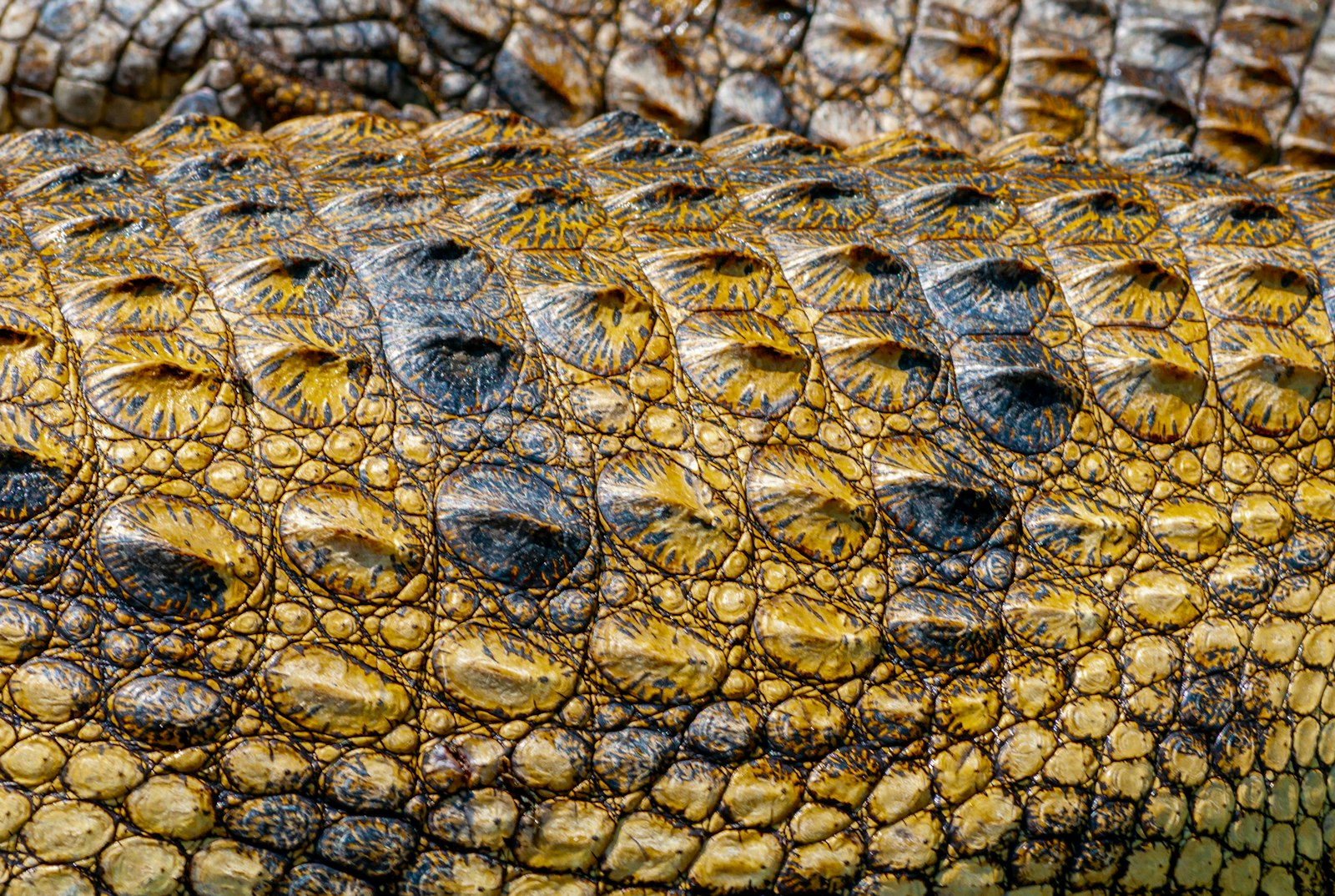
Crocodile Handbags
Browse bags →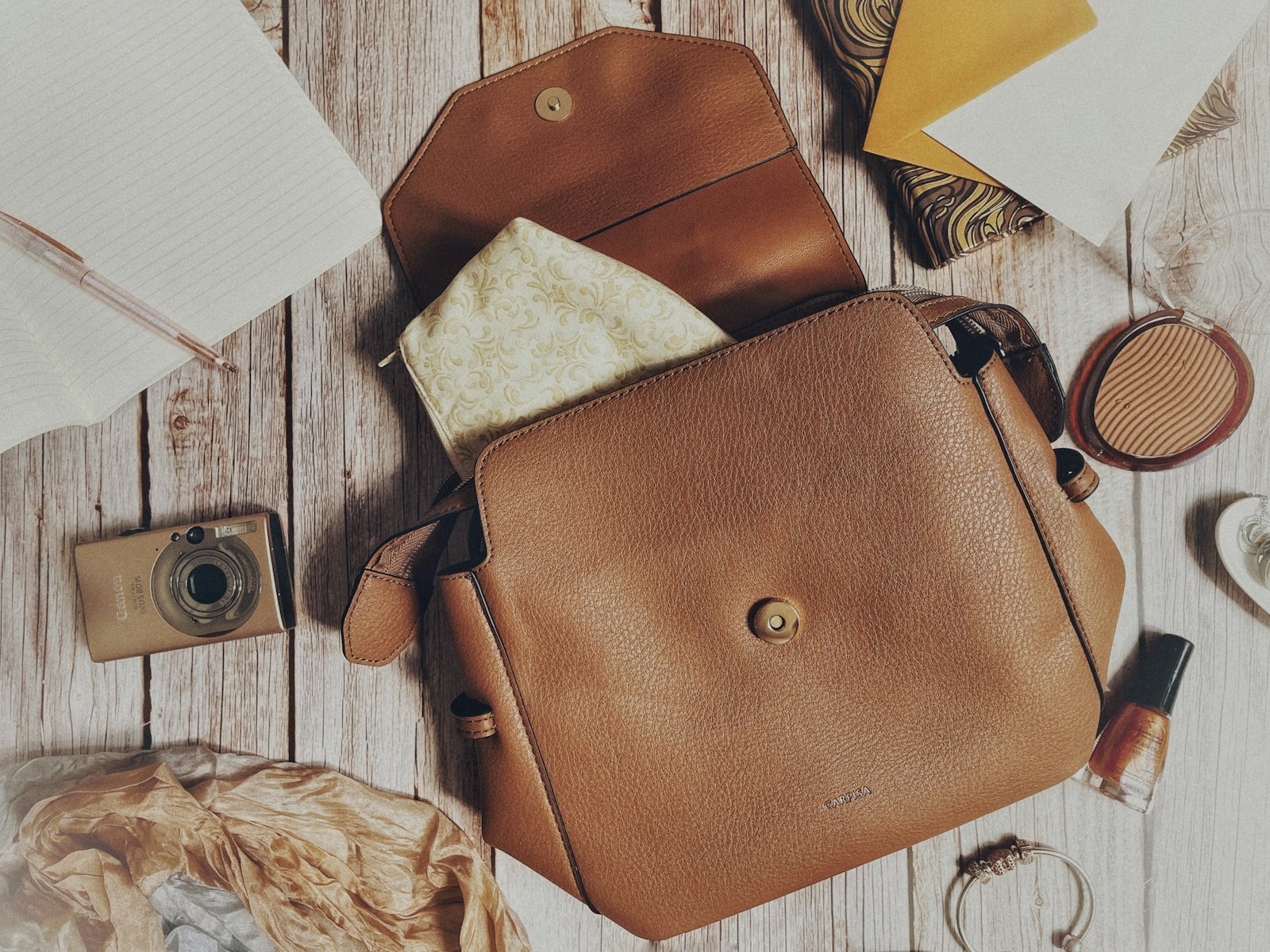
Bespoke / Custom
Design yours →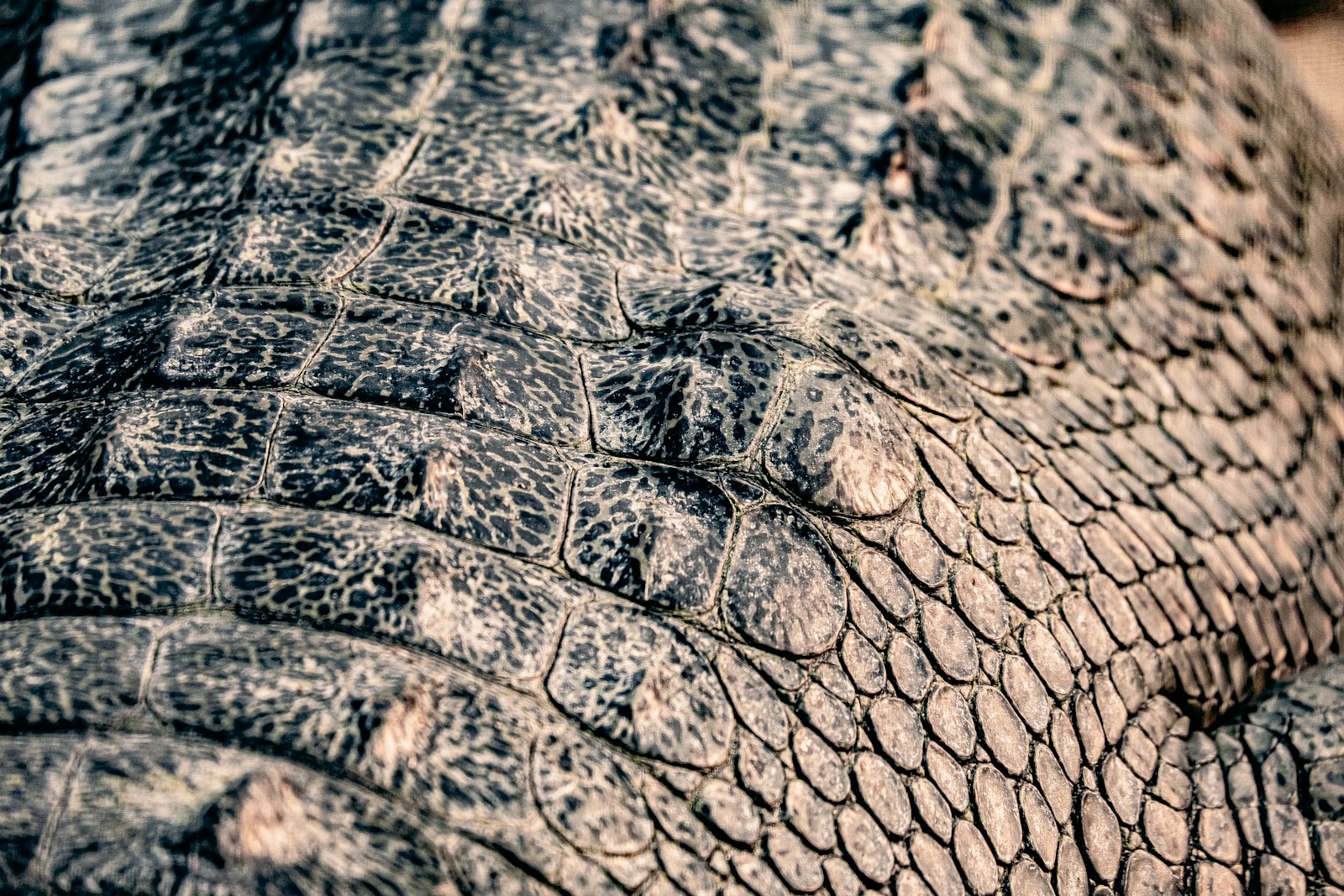
Price Guide
See prices →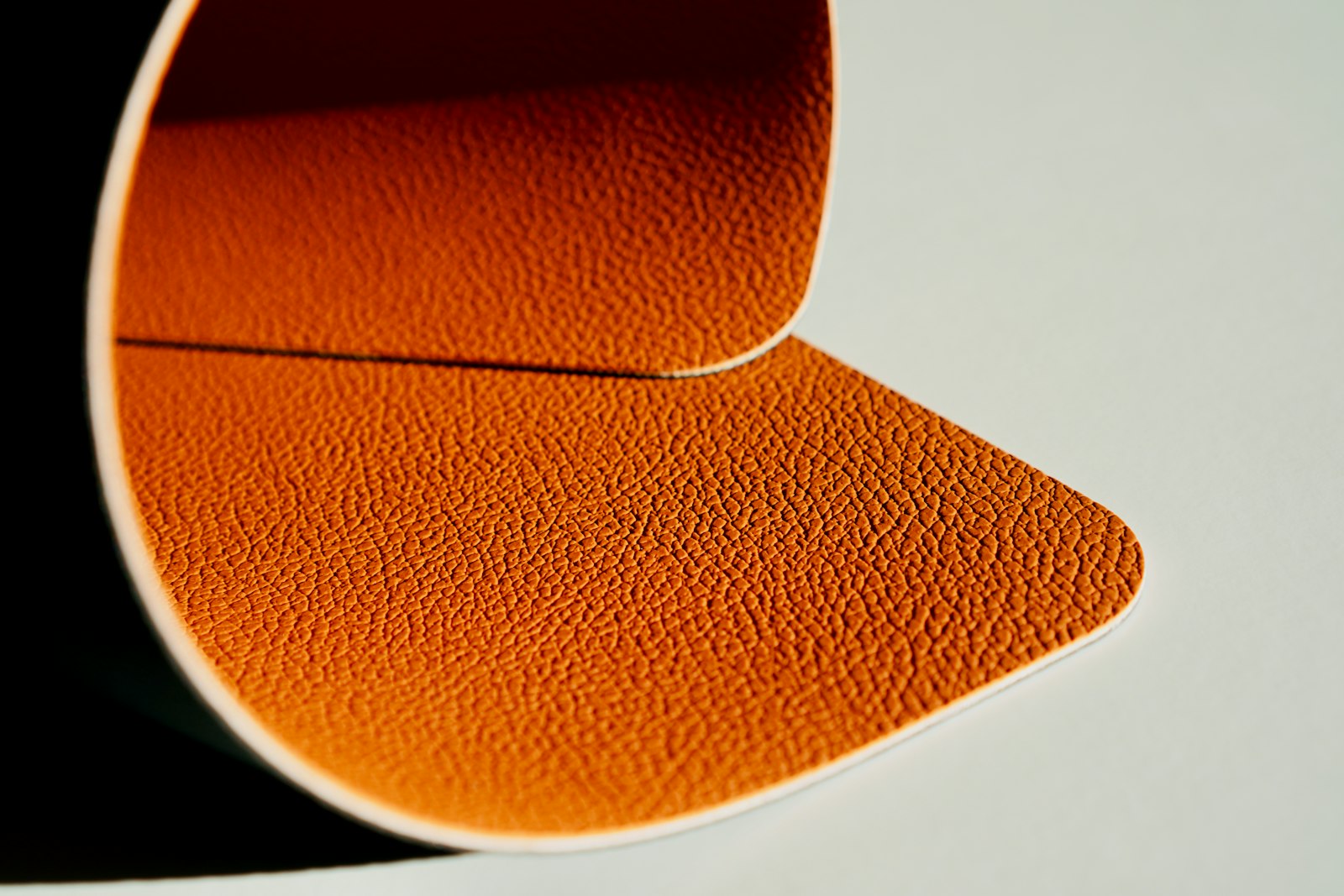
Wholesale / B2B
For brands →Why Crocodile Leather Bags
Honest Species
We say exactly which species a bag is — porosus, niloticus, American alligator or caiman — and never call embossed calfskin “exotic”.
CITES-Compliant
Genuine crocodilian is CITES-regulated. We source from farmed, App-II stock and ship international orders with documentation.
Real Specs & Grading
Belly vs hornback cuts, skins-per-bag, finishes, linings, hardware, transparent grading — not marketing.
Vetted Makers
We are an authority and sourcing desk, not a tannery. We connect you to vetted makers; pricing is by quote.
From Spec to Bag
How a quote works.
Tell us the bag
Species, bag type and size, colour, finish and hardware — bespoke single or wholesale.
Get options & a quote
We come back with the right species, honest grade, lead time, and price — plus CITES guidance for your country.
We coordinate the maker
A vetted CITES-compliant maker produces it; you receive the bag with documentation. We coordinate; they craft.
A crocodile leather bag is a bag built from genuine crocodilian skin – typically premium saltwater crocodile (Crocodylus porosus), Nile crocodile (C. niloticus), American alligator (Alligator mississippiensis), or lower‑tier caiman. On CrocodileLeatherBags.com we treat “crocodile” as a biological fact, not a marketing adjective: every crocodile leather bag we discuss or help source is tagged by exact species, cut, finish, and CITES status.
We are an independent editorial authority and sourcing desk for crocodile and exotic leather bags. We are not a tannery or a fashion house. We research, audit and curate; our vetted partner workshops do the actual crafting. No one can pay to change what we publish; if you proceed with our partner they may pay us a referral fee at no extra cost to you.
—
Above the Fold: What We Actually Do
We exist for collectors, designers and buyers who care about what their crocodile leather bags are really made of – right down to species, panel layout and origin codes on CITES permits.
Honesty First: Species, CITES, No Mislabeling
– “Crocodile” on this site is never used to describe embossed calf or PU.
– Premium “crocodile” in the high-luxury sense means saltwater crocodile, Crocodylus porosus (“porosus”), farmed and tanned for top‑tier bags.
– Nile crocodile, C. niloticus (“niloticus”), is also true crocodile, one step below porosus in scale refinement and price.
– American alligator, Alligator mississippiensis, is not crocodile; it is a separate, highly regarded category with its own texture and regulations.
– Caiman (several Caiman spp.) is genuine crocodilian but lower tier: bony, stiff, less costly, and rarely used by top luxury houses for flagship bags.
We only work with CITES‑compliant, traceable skins originating from legal farms/ranches or approved wild‑harvest programmes. That means valid export/import permits, correct species naming, and appropriate source codes (typically C, F or R for commercial trade). This is an information resource, not legal advice: you must confirm current rules with your country’s CITES Management Authority before ordering or importing.
What We Offer: Bag Types We Cover & Curate
We cover – and can help you commission or source – crocodile and exotic leather bags across these categories:
- Handbags & shoulder bags – classic top‑handles, flap bags, minis, and day bags.
- Totes & shoppers – work‑and‑travel capable, often in belly‑cut layouts for smooth grain.
- Briefcases & document holders – structured, panel‑matched, often matte alligator or porosus.
- Weekend bags & travel duffels – multi‑skin builds with reinforced corners and hardware.
- Clutches & evening pieces – hornback focus, high‑gloss, or limited‑panel exotics.
- Wallets, small leather goods & organisers – porosus, niloticus, alligator, and selected lizard/ostrich.
We do not run production lines. We connect serious buyers and brands to vetted makers, then stay involved on specs and QC from first sketch to finished shipment.
Species Hierarchy Snapshot (Collector View)
For crocodile leather bags and closely related exotics, the common quality hierarchy runs roughly:
- Porosus crocodile (Crocodylus porosus)
- Top tier crocodile for fine bags; tight, small scales; high price; used for flagship collections by several major European luxury houses (no affiliation).
- Nile crocodile (C. niloticus)
- Very high quality; slightly larger, squarer scales; more widely available; often chosen where a slightly bolder grain is desired.
- American alligator (Alligator mississippiensis)
- Technically not crocodile; extremely prized, especially in matte finishes; common in high‑end watch straps and increasingly in structured bags.
- Caiman (Caiman spp.)
- Entry‑level exotic; visible bony plates (osteoderms) create ridged, less flexible leather; appropriate for lower price points, not a porosus substitute.
We never describe caiman as porosus, never blur crocodile and alligator, and never call printed calf “croc”.
CITES‑Compliant by Design
Every genuine crocodile handbag or crocodile leather purse moved across borders must follow CITES rules for its species and origin. In practice, that means:
– CITES Appendix II for most farmed porosus, niloticus and caiman skins.
– Source codes such as:
– C (Bred in captivity for commercial purposes)
– F (Born in captivity)
– R (Ranching – taken as eggs or juveniles, raised on farms)
– Permits for export and often for import, citing exact species, quantity, and product type.
We prefer partners whose paperwork and chain‑of‑custody procedures stand up to audit. You or your customs broker must still confirm requirements with your national CITES authority before shipment.
Indicative Pricing & MOQ (Last Verified June 2026)
All figures are indicative ranges; final quotes depend on species, grade, size, hardware, lining, and order volume.
- Single bespoke artisan handbags (porosus, niloticus, alligator): approximately USD 3,000 – 8,000 per bag.
- OEM or private‑label production (porosus / niloticus / alligator): roughly USD 800 – 2,500 per bag in mid‑range order volumes, depending on spec.
- Caiman or mixed‑exotic builds: often 30–60% below equivalent porosus specs for similar sizes.
- Typical MOQs: from 5–10 units for high‑grade exotic prototypes / micro‑runs, rising to 50+ for stable wholesale pricing.
- Lead times: broadly 8–16 weeks from final spec sign‑off to ex‑factory completion, subject to skin availability and permit processing.
For a tailored quote or to sanity‑check an offer you’ve received elsewhere, you can plan your trip with us via email or WhatsApp; we review specs and pricing in detail, not on autopilot.
—
Species Deep‑Dive: Porosus vs Niloticus vs Alligator vs Caiman
Porosus Crocodile – The Flagship Skin
Name: Saltwater crocodile, Crocodylus porosus
Typical use: Top‑tier handbags, small leather goods, watch straps
Look: Compact, regular scales; minimal pitting; elegant crown patterns
Porosus is the reference point for a “true” luxury crocodile leather bag. It is consistently expensive at the skin level, slow to grow on farms, and heavily regulated.
Key traits collectors watch:
– Scale pattern: On belly cuts, the central tiles are small, even and tight, with clean transition to the flank.
– Finish options: High‑gloss polish is common for women’s handbags and clutches; matte and satin finish are favoured for men’s bags and briefcases.
– Colour depth: High‑end tanneries can achieve complex dye effects – graded tones, “ombré” fades, and deep neutrals that stay stable over time.
If a bag claims “premium crocodile” and does not specify porosus, ask for the exact Latin name and CITES code. Vague naming is a red flag at this price level.
Nile Crocodile – High‑End, Slightly Bolder Grain
Name: Nile crocodile, Crocodylus niloticus
Typical use: Mid‑ to high‑end crocodile leather bags, belts, shoes
Look: Larger scales against the belly, often more rectangular
Niloticus is widely farmed and well‑suited to larger panels. Skin prices are usually lower than porosus for comparable grades, but still very much in the luxury bracket.
You’ll often find niloticus:
– In medium and large totes where panel size matters.
– In pieces where a slightly more pronounced grain is desired.
– In colourways and finishes that mirror porosus, at a more accessible cost.
A skilled workshop can pattern and grade niloticus to present almost as refined as porosus on the finished bag, but they should still label it correctly.
American Alligator – Separate, Highly Prized Category
Name: American alligator, Alligator mississippiensis
Typical use: High‑end watch straps, wallets, structured bags
Look: Rounded, organic scale layout; often extremely subtle in matte
We do not call alligator “crocodile”. It is a distinct animal, with its own CITES listing, management programmes, and aesthetics.
Why collectors value alligator:
– Touch: Top‑grade matte alligator is soft, with a “dry” elegance that ages gracefully.
– Versatility: Works well in both formal and casual pieces, especially in black, deep brown, or navy mattes.
– Regulatory maturity: The management of American alligator populations and trade is well‑established, resulting in reliable supply from reputable sources.
Many independent makers and luxury houses choose matte alligator for briefcases and men’s bags where a less shiny surface is preferred.
Caiman – True Exotic, Entry‑Level Tier
Name: Several Caiman species, commonly Caiman crocodilus
Typical use: Entry‑level exotic leather bags, belts, trims
Look: Bony ridges and small, rigid scales; more “armoured”
Caiman is real crocodilian, but it behaves differently:
– The osteoderms (bony plates) remain pronounced, especially on hornback areas.
– The hide is stiffer, harder to skive cleanly, and more challenging to fold elegantly at corners.
– It does not drape or contour like porosus or alligator.
Caiman has a place in the market – particularly for price‑sensitive exotic leather bags – but it must never be sold as porosus, niloticus or alligator. If you see a “crocodile leather purse” at a fraction of typical porosus pricing, it is almost certainly caiman or printed calf; demand the species in writing.
—
Cuts, Panels & Construction in Crocodile Leather Bags
Understanding how a crocodile leather bag is cut and assembled tells you almost as much as the species.
Belly vs Hornback: Where Your Panels Come From
Belly cut (sometimes “smooth belly”):
– Taken from the ventral side of the animal.
– Flatter, smoother tiles, fewer osteoderms.
– Ideal for classic handbags, totes, briefcases, and wallets.
– Easier for panel matching and minimal‑seam designs.
Hornback cut:
– Taken from the dorsal area along the spine.
– Pronounced ridges and knobs.
– Visually bold; used for statement clutches, trims, or limited‑panel designs.
– Harder to sew; corners and folds require experience and reinforcement.
Collectors often prefer belly‑cut porosus or alligator for daily‑use bags and reserve hornback for occasional evening or display pieces.
How Many Skins Per Bag?
Numbers vary with species, bag size, and pattern layout, but as a working guideline for full‑exotic exteriors:
– Small clutch / mini bag: 1–2 porosus or niloticus skins.
– Classic medium handbag: 2–3 skins.
– Larger tote or weekender: 3–5 skins, sometimes more for meticulous pattern matching and minimal seams.
If a large crocodile handbag is priced as if it used one skin and perfect belly panels, the maths probably does not add up.
Panel Matching & Symmetry
Panel matching is one of the most overlooked aspects of crocodile leather bags, but it dramatically affects perceived quality.
Watch for:
– Central symmetry: On front and back panels, the midline tiles should mirror each other where design permits.
– Scale flow: Side gussets, flaps and handles should maintain a consistent direction of scale growth.
– Join placement: Panel joins should sit where they make structural sense, not arbitrarily in the middle of a focal area.
Complex matching consumes more of each skin and raises both material usage and labour time. High‑end pricing makes sense when you see this discipline applied consistently across the bag.
—
Grades & Finishes: How Quality is Really Defined
Skin Grading (Pre‑Tanning)
Crocodilian skins are graded at the tannery based on:
– Defects: Scars, bites, holes, belly damage.
– Scale uniformity: Even shape and size across the usable area.
– Size: Measured in centimetres across the width of the belly.
Higher grades (often Grade I or I/II depending on the tannery system) have minimal defects and command significantly higher prices. These are typically reserved for prominent bag panels and watch straps.
Lower grades appear:
– In smaller goods where defects can be cut around, or
– In areas of a bag that are less visible (bottom, interior plackets).
Any honest maker should be able to tell you which grade bands are specified for your order.
Common Finishes: Gloss, Matte, “Crust” and More
– High gloss: Achieved through glazing; reflective, dressy, popular for women’s handbags and small leather goods.
– Matte: Understated, sophisticated, particularly in alligator and porosus briefcases and men’s bags.
– Satin / semi‑gloss: Between the two; often used where daily wear is expected but a subtle sheen is desired.
– Crust (unfinished or lightly finished): Sometimes used by small ateliers for custom dyeing; requires significant expertise to finish correctly.
Finish has a direct impact on feel, wear patterns, and care requirements. Gloss can better repel superficial marks but showcases deep scratches; matte hides micro‑scuffs more gracefully but is less surface‑sealed.
—
CITES, Legality & Responsible Sourcing
Are Crocodile Leather Bags Legal?
Yes – provided the species, origin, and paperwork comply with CITES and national legislation.
For most commercially traded porosus, niloticus, alligator and caiman:
– The species are listed on CITES Appendix II, allowing regulated international trade.
– Skins travel from farm/ranch to tannery to manufacturer with CITES permits at each export/import step.
– Finished bags crossing borders may require additional permits, re‑export documentation, and in some countries, pre‑approval.
What this means for you:
– Personal travellers: some countries allow you to carry a limited number of finished products without individual permits; others do not. Rules change; verify before travel.
– Retail buyers: official boutiques in your country should have already handled import compliance.
– Bespoke / wholesale buyers: you (or your broker) must handle import formalities. Our partners coordinate export permits from their side.
We do not provide legal opinions. We flag the CITES context, and you confirm the final requirements with your local Management Authority.
Source Codes & Traceability
On CITES permits you will typically see:
– C – Bred in captivity for commercial purposes.
– F – Born in captivity (F1 or subsequent generations).
– R – Ranching, taken from the wild as eggs or juveniles and raised in controlled conditions.
We favour legally farmed and ranched supply chains with documented traceability, both for conservation and for predictable quality.
—
Our Role: Independent Authority & Sourcing Desk
Editorial: Honest, Collector‑Level Information
CrocodileLeatherBags.com runs on one principle: the material matters. We cover:
– Species identification and labelling
– Skin grading, cutting, and panel usage
– Construction choices and hardware standards
– Pricing logic for both bespoke and wholesale orders
– Care and maintenance grounded in tanning reality
We reference luxury houses (Hermès, Louis Vuitton, Gucci, etc.) purely as public benchmarks to explain quality levels and design approaches. We have no affiliation with these brands and never claim tannery or brand relationships.
Sourcing Desk: Curated Makers, Not a Factory
We are not a tannery and not a factory. Instead, we:
1. Vet makers – CITES‑compliant, technically capable workshops with a track record in exotic leather bags.
2. Match projects – Pair your spec (porosus handbag, niloticus tote run, alligator briefcase line, caiman OEM) with an appropriate partner.
3. Coordinate & translate – Materials, patterns, hardware, lining, colours, QC standards, and documentation.
4. Stay independent – No one can pay to change what we publish; if you proceed with our partner they may pay us a referral fee at no extra cost to you.
We can also cross‑reference to our sister specialist site, alligatorwatchstrap.com, if your project extends into exotic‑leather watch straps alongside bags.
If you are considering a bespoke order or OEM line, you can plan your trip with us via email or WhatsApp; we’ll discuss species choice, panel layout, expected price brackets, and realistic timelines.
—
Pricing Logic for Crocodile & Exotic Leather Bags
Main Drivers of Cost
For a crocodile leather bag or other exotic leather bags, cost is primarily driven by:
– Species & grade – Porosus and high‑grade alligator command the highest skin prices; caiman the lowest.
– Bag size & complexity – More and larger panels = more skins and more labour.
– Finish & colour – Special dyes, multi‑tone effects, and rare colours can increase costs.
– Hardware & interior – Solid brass or precious‑metal‑plated hardware and full leather linings cost more than generic fittings and textile linings.
– MOQ & production structure – Sampling and micro‑runs have higher unit costs than stable, repeated production.
Indicative Ranges (Last Verified June 2026)
– Single bespoke porosus or alligator handbag: ~USD 3,000 – 8,000
– Niloticus handbags: ~20–30% below equivalently specified porosus, depending on grade and finish.
– Caiman handbags: often in the hundreds to low thousands, depending on design and brand margin.
– OEM runs in high‑end crocodile/alligator: ~USD 800 – 2,500 per bag ex‑factory for order volumes that justify dedicated production lines.
These are broad bands, intended to keep expectations realistic. Precise costing requires a spec sheet: dimensions, pattern, interior build, hardware, and confirmed species/grade.
—
Care, Storage & Longevity
A well‑constructed crocodile handbag or alligator briefcase should last decades with basic care.
Daily Use & Handling
– Avoid overloading: Exotic leather is strong but can stretch and distort if a bag is habitually overloaded.
– Watch for abrasion: Consistent rubbing against coarse fabrics or hardware can dull edges and corners, especially on polished finishes.
– Keep away from solvents: Perfume, alcohol‑based sanitiser and harsh cleaners can attack finishes and dyes.
Storage
– Stuff, don’t squash: Store bags filled (acid‑free paper or a soft insert) to maintain shape.
– Use dust bags: Allow the leather to breathe; avoid plastic covers for long‑term storage.
– Moderate climate: Avoid high humidity, excessive dryness, and direct constant sunlight.
Cleaning & Conditioning
– Wipe with a soft, slightly damp cloth for surface dust.
– For deeper cleaning, use exotic‑safe products only, very sparingly.
– If in doubt, consult a leather specialist familiar with crocodilian finishes; aggressive conditioners can flatten the natural texture or alter sheen.
—
Choosing the Right Crocodile Leather Bag for You
By Species & Finish
– Understated daily work bag: Matte alligator or matte porosus briefcase or tote; neutral colours.
– Statement evening bag: Gloss porosus or niloticus clutch, possibly hornback accent.
– Entry exotic or larger casual tote: Well‑made niloticus or carefully specified caiman, labelled honestly.
By Use Case
– Professional / corporate: Structured silhouettes, discrete hardware, matte or satin finish.
– Travel & weekend: Heavier lining, reinforced corners, secure zips, and comfortable handles/straps.
– Collectible / investment piece: Top‑grade porosus or alligator, excellent panel matching, classic design, and neutral colours that age well.
If you need a spec sanity check, photos assessed, or a quote benchmarked against reality, you can plan your trip with us; WhatsApp exchanges with photos and sketches are usually the fastest way to get precise feedback.
—
FAQs
What is the difference between porosus, niloticus, alligator and caiman?
Porosus (Crocodylus porosus) is premium saltwater crocodile with small, refined scales and high skin prices. Niloticus (C. niloticus) is Nile crocodile, also high quality but with slightly larger, squarer scales and generally lower prices than porosus. American alligator (Alligator mississippiensis) is not crocodile; it has a more rounded, organic scale pattern and is highly prized, especially in matte. Caiman (Caiman spp.) is genuine crocodilian but lower tier, with bony plates that make the leather stiffer and less luxurious to handle.
Are crocodile leather bags legal to buy and own?
Yes, crocodile leather bags made from legally sourced, CITES‑compliant skins are legal in many countries. Most porosus, niloticus, alligator and caiman trade occurs under CITES Appendix II with controlled farming or ranching programmes. However, rules vary by country, and some jurisdictions restrict import or resale. You must check current regulations with your national CITES Management Authority or customs before purchasing or importing.
How much does a real crocodile leather bag cost?
Indicative pricing (last verified June 2026) for high‑end bespoke porosus, niloticus or alligator bags typically runs from about USD 3,000 to 8,000 per bag, depending on size, grade, and finish. OEM and private‑label production in those species often falls in the USD 800 to 2,500 per bag range for suitable order volumes. Caiman and lower‑spec exotics are cheaper. Exact pricing always depends on confirmed specifications and is finalised by quote.
Can I order a bespoke crocodile handbag or OEM run through you?
Yes. We operate as an independent sourcing desk: we help define your specification, match you with a vetted CITES‑compliant maker, and coordinate details from materials to QC. We are not a factory ourselves. You can share your ideas and requirements via plan your trip, and we can continue the conversation by email or WhatsApp for sketches, photos and detailed costing.
How can I tell if a crocodile leather purse is genuine and correctly labelled?
Check for clear species naming (porosus, niloticus, alligator, or caiman) rather than vague “genuine croc” claims, look at the scale pattern for regularity and natural variation, and be wary of prices far below typical market ranges for that species. For cross‑border shipments, confirm that CITES permits list the correct Latin name, quantity and product type. If documentation is missing, mislabelled, or confusing, treat the offer with caution.