Honest sourcing note: “Crocodile”, “alligator” and “caiman” are different species. The premium crocodilian is saltwater crocodile (Crocodylus porosus); Nile crocodile (C. niloticus) is very high but usually below porosus; American alligator (Alligator mississippiensis) is a separate prized category; caiman is the entry tier. We label species accurately and never sell embossed calf as exotic. Genuine crocodilian is CITES-regulated (typically Appendix II, farmed/ranched, source codes C/F/R); international orders ship with documentation, and you are responsible for your country’s import rules — this is general information, not legal advice. Prices are indicative ranges (mid-2026); final pricing is by quote. Luxury houses are referenced only as neutral examples — we have no affiliation. We are an independent authority and sourcing desk and connect you to vetted makers.
A black crocodile bag is a formal handbag or briefcase made from genuine crocodilian leather dyed black, not embossed calf or synthetic material. A well-cut, correctly finished black crocodile handbag is the default “dress code safe” exotic: it reads discreet, authoritative and appropriate almost anywhere.
What makes a black crocodile bag different?
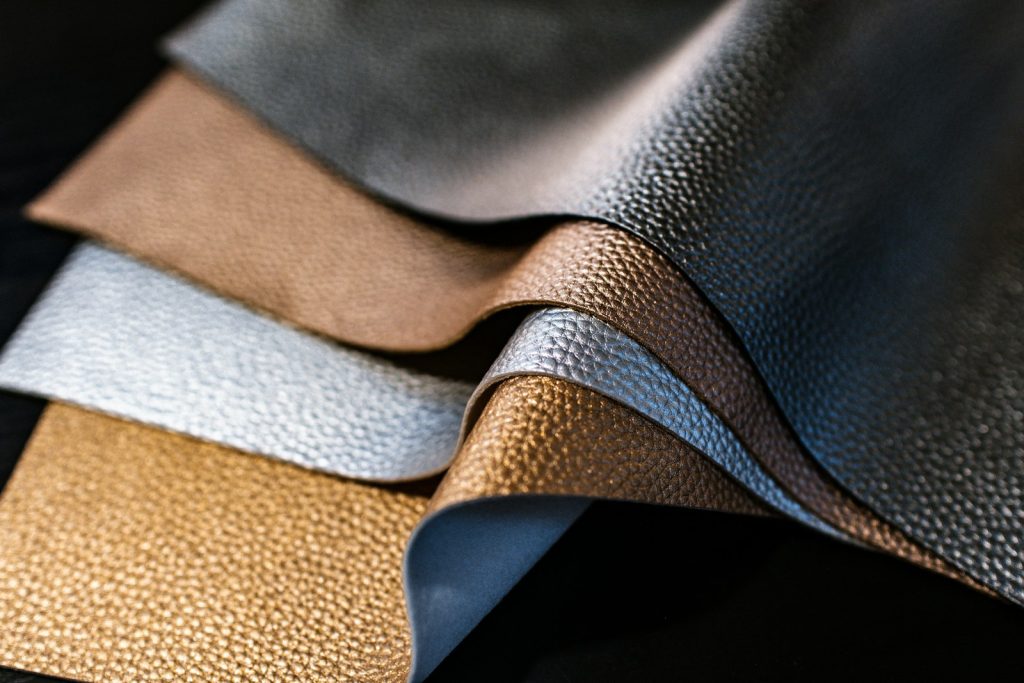
Most “black croc” bags in general fashion retail are embossed calfskin or polyurethane with a stamped reptile grain. A true black exotic leather bag that serious collectors talk about is cut from one of four real crocodilian leathers:
- Saltwater crocodile – Crocodylus porosus (porosus): premium “crocodile” in high watchmaking and top-tier bags.
- Nile crocodile – Crocodylus niloticus (niloticus): very high grade, usually just under porosus in price.
- American alligator – Alligator mississippiensis (alligator): separate, prized category, typically in a more matte, velvety finish.
- Caiman – mainly Caiman crocodilus, C. yacare, C. fuscus: entry-level exotic; more rigid with visible bony plates (osteoderms).
At Crocodile Leather Bags we are obsessive about correct species labelling and finish descriptions. High-end “black crocodile bag” here always means porosus or niloticus, clearly labelled; alligator is named as such; caiman is never passed off as crocodile; embossed calf is never called exotic.
Why black is the formal default in exotics
Black is the most conservative colour you can specify in crocodilian leather. Collectors and professional clients choose it for three main reasons:
1. Dress code compliance
Boardroom, black-tie, gallery opening, client lunch: a black crocodile handbag in a restrained silhouette rarely raises questions. A bright-coloured exotic can read as display; black reads as refinement and structure. It also pairs correctly with black dress shoes and belts in both men’s and women’s wardrobes, keeping the leather hierarchy consistent.
2. Visual discipline and symmetry
Crocodilian patterns can look busy in light or variegated colours. In black, the pattern tightens: belly tiles appear more uniform, hornback ridges read architectural rather than aggressive. This is particularly important in larger bags (totes, briefcases) where an uninterrupted field of scales can dominate an outfit.
3. Practical wearability
Black dye visually hides many small scuffs and corner darkening that would be obvious on lighter exotics. The leather is not invincible, but patina accumulates more slowly to the eye, especially in matte black crocodile bag finishes.
Matte vs glazed black: two very different moods
The same species in black can look and behave very differently depending on finish. The two primary finishes you’ll see in a black exotic leather bag are:
- Matte – low to mid sheen, waxed/satin to the touch.
- Glazed – high shine, mirror-like on larger tiles.
Matte black crocodile bag: understated authority
Matte black is the closest exotic analogue to a very fine calf briefcase, but with scale geometry instead of grain. Tanners achieve this by finishing the crust with light oils and waxes, then gently ironing to a soft sheen without burnishing it to gloss.
Characteristics:
- Look: Rich, deep black that absorbs light rather than reflecting it. Belly tiles are defined but not contour-highlighted.
- Touch: Supple and “dry-waxed”; quality porosus and alligator can feel almost powdery-smooth.
- Wear: Hairline scratches are less visible than on glazed; edges and handles develop a quiet, satin patina instead of bright spots.
- Use case: Daily work bag, discreet travel, conservative environments, clients who prefer an under-the-radar exotic.
Glazed black crocodile bag: formal and high-impact
Glazed black is what many people picture when they hear “crocodile bag”: tiles that catch light like glass. This is achieved by progressively polishing the leather with smooth glass or agate rollers under pressure, often with shellac-based finishes.
Characteristics:
- Look: Strong reflections, especially on the larger central belly tiles. The scale layout becomes more graphic, almost like enamel in certain lights.
- Touch: Slick and cool, especially in porosus where the tile surface is naturally fine-grained.
- Wear: Shows surface scratches more readily; requires more careful handling and storage to preserve the mirror effect.
- Use case: Formal evening bag, statement briefcase, clients who explicitly want the “this is crocodile” look.
Which finish suits your use: quick guide
| Scenario | Better choice | Why |
|---|---|---|
| Daily office carry | Matte black crocodile bag | Less visible micro-scratches, reads quietly professional. |
| Black-tie or formal events only | Glazed black crocodile handbag | Plays with evening light, explicitly dressy. |
| First exotic in a conservative workplace | Matte black exotic leather bag | Luxury for the wearer more than the room. |
| Collector with several colours already | Glazed or mixed-finish accents | Different visual note alongside browns and neutrals. |
Which species takes black best?
Different crocodilian species accept black dye and finishing in distinct ways. Some buyers care mainly about appearance; others about rarity, suppleness or long-term value. Here is how black typically behaves across the main species we source through vetted, CITES-compliant workshops.
Porosus (Crocodylus porosus): the reference black crocodile
Saltwater crocodile, Crocodylus porosus, is the benchmark for top-tier black crocodile bag projects. Tile layout is fine and elongated, especially along the belly, giving a very refined mosaic with minimal pitting.
- Dye response: Takes very deep, neutral black in both matte and glazed. The small pores and tight grain support a clean mirror finish when glazed.
- Touch: In top grades (Grade I / I-II), porosus feels thin yet strong, particularly suitable for structured handbags and small leather goods.
- Use: High-end handbags, structured clutches, compact briefcases where crisp panel matching matters.
Niloticus (Crocodylus niloticus): slightly bolder grain, still formal
Nile crocodile, Crocodylus niloticus, has slightly larger, more rounded scale patterns with more visible follicle pits. In black, that gives a bit more texture without losing formality.
- Dye response: Very good depth of black; in glazed form the natural pits catch the light for a more “speckled” gloss.
- Touch: Slightly thicker on average than porosus skin at similar sizes. Still supple in top grades.
- Use: Totes, travel bags and larger briefcases where a bit more visual texture helps break up large surfaces.
American alligator (Alligator mississippiensis): the matte specialist
American alligator, Alligator mississippiensis, is often associated with extremely high-end, largely matte work: many watch straps and very discreet bags from top maisons use black alligator.
- Dye response: Accepts a slightly “soft” black that can look marginally charcoal under very strong light in some matte finishes; in practice it reads black in use.
- Touch: Remarkably supple; ideal for softer constructions and folded pattern work.
- Use: Soft-structure handbags, slouchy clutches, and matching sets with black alligator watch straps (our sister authority site alligatorwatchstrap.com covers straps in detail).
Caiman: black on a budget, with caveats
Caiman (most commonly Caiman crocodilus and related species) is widely used for entry-level black exotic leather bag offerings. It is stiffer and more brittle long-term than porosus, niloticus or alligator due to prominent osteoderms.
- Dye response: Takes an even black, but the bones beneath the surface can create minute undulations and micro-cracks in high-gloss finishes over time.
- Touch: Harder plates; less give across the back and flanks, especially in hornback cuts.
- Use: More suitable for occasional-use fashion pieces than a lifetime office briefcase.
Caiman is still genuine exotic leather, but on this site we keep it clearly separate from top-tier crocodile and alligator so expectations match reality.
Belly vs hornback in black
Belly cut: the formal standard
For a black crocodile handbag aimed at formal or business use, belly (or “front”) cut is almost always preferred. This section of the skin offers:
- Flatter, more even tiles for smooth panels and easier matching between sides.
- Less pronounced ridges, making the bag sit comfortably against clothing without catching.
- More options in both matte and glazed finishes; hornback is rarely glazed to a true mirror.
Hornback: sculptural, more aggressive
Hornback uses the back and neck, including the dorsal ridges. In black, this becomes very architectural and can skew more fashion-forward.
- Pros: Strong character; ridges in black can look almost armor-like.
- Cons: Less formal; more difficult to pair with tailored suiting, especially in larger sizes.
Our sourcing desk generally recommends black belly-cut porosus or alligator for a “lifetime formal” bag, with hornback reserved for clients who already own a classic belly piece and want something more directional.
How many skins, which grades, and what that means in black
The number of skins and grades required for a black crocodile bag depend mainly on size, pattern layout and species. Below are typical ranges we see through partner workshops (indicative, not binding):
- Small handbag / clutch (20–25 cm width)
- Often 1 large Grade I–II porosus or niloticus belly, sometimes supplemented by smaller flank for internal pieces.
- Medium handbag (25–32 cm)
- 1–2 skins, typically Grade I–II for visible panels; lower grades may be used for unseen structural components.
- Large tote / briefcase (35–40+ cm)
- 2–3 matched skins to maintain tile size and symmetry across front and back.
- Grades used
- Visible panels usually Grade I or I–II: minimal scars, consistent tile formation. Black dye can mask some natural marks, but collectors still pay for clean structure.
Black can be marginally more forgiving of small scars than light colours, but a serious commission still benefits from high grades for layout and symmetry rather than mere colour coverage.
Hardware: matching metals to black crocodile
Hardware choice is not cosmetic only; it strongly changes how formal or assertive the bag looks.
Polished palladium / silver-tone
The default for a highly formal black crocodile bag, particularly in glazed finishes. Silver-tone hardware sharpens the black and complements cool-toned wardrobes. It echoes how some well-known houses (e.g. Hermès, Louis Vuitton, Gucci – mentioned as public reference points only, with no affiliation) configure their most formal black exotics.
Gold-tone: yellow or pale champagne
Gold hardware introduces warmth and a more classic luxury cue. On matte black crocodile, brushed or soft-polish champagne gold feels refined. On glazed black, high-polish yellow gold can look more overt; some collectors like that explicit contrast.
Ruthenium / gunmetal
For minimal, almost monochrome builds, especially matte. Gunmetal hardware fades into the background so that the only “story” is texture, not shine. It is an excellent choice for men’s briefcases and very low-key women’s work bags.
Black hardware
Black-on-black is appealing in concept but must be executed carefully. Overly coated hardware can chip, revealing bright metal underneath. We only recommend black hardware from workshops with a strong finishing track record and generally keep it to accent pieces rather than every fitting.
Versatility: is black truly the best first exotic?
For most clients commissioning their first serious exotic, our honest answer is: yes, black is the safest and most versatile starting point, especially in matte.
- Works year-round: seasonless; does not read “summer” or “holiday” the way bright colours can.
- Cross-wardrobe: pairs with navy, charcoal, grey, white, earth tones, jewel tones without clashing.
- Transition-friendly: the same black crocodile handbag can go from day to evening by silhouette alone.
Some collectors who already own multiple high-quality calf or box leather bags in black may choose their first exotic in brown, graphite or a desaturated colour instead. But if your wardrobe has limited slots for high-end bags, a well-spec’d black crocodile bag will likely log the most actual carry days.
Bespoke and wholesale: commissioning a black crocodile bag
Crocodile Leather Bags is an independent information resource and sourcing desk. We are not a tannery and we do not present any workshop as “ours”. Instead, we:
- Curate vetted, CITES-compliant partner ateliers and manufacturers that specialise in porosus, niloticus, alligator and caiman bags.
- Coordinate spec, sourcing and communication between you and the maker (they craft; we help you define and sanity-check the brief).
- Stay transparent on species, origin and documentation so you know exactly what you are buying.
If you’d like to explore a commission or a wholesale run of black crocodile handbags, you can plan your trip through the options with us – email or WhatsApp; we typically reply during Asian and European business hours.
Indicative pricing, MOQs and lead times
These ranges are drawn from recent partner quotes and are indicative only, last verified June 2026. Final numbers are always by written quote and can move with raw-skin, tanning and freight costs.
- Bespoke single-piece black porosus / niloticus bag:
- Typical range: mid–high four figures to low five figures USD, depending on size, hardware, lining and complexity.
- Bespoke single-piece black alligator bag:
- Often similar to or modestly below porosus at like-for-like spec; some ateliers price alligator slightly higher for soft-structure work.
- Small-batch wholesale (porosus / niloticus / alligator):
- Common MOQs: 5–20 units per style/colour for serious workshops.
- Per-unit ex-works pricing: typically high three figures to low four figures USD for clean, belly-cut black, depending on species and scale layout.
- Caiman black bags (fashion-focused):
- Per-unit ex-works: generally significantly lower than porosus/niloticus/alligator; appropriate for entry-level or trend-led lines.
Lead times for custom runs of black crocodile bags are usually:
- Bespoke single piece: roughly 8–16 weeks from spec lock to shipment, assuming suitable skins are in stock.
- Wholesale batch: roughly 10–20 weeks depending on skin reservation, hardware sourcing and production queue.
These time frames are not guarantees but realistic working averages across our partner network.
CITES and legality: what you must know for black crocodile
All the primary crocodilian species used in high-end bags (porosus, niloticus, most caiman) are listed on CITES Appendix I or II, with farmed and ranched commercial trade typically managed under Appendix II controls. That means:
- Export and import of genuine crocodile and alligator products across borders usually require CITES documentation.
- Legally produced skins and finished bags carry CITES source codes such as:
- C: bred in captivity.
- F: born in captivity (F1 or subsequent generations).
- R: ranched, from wild eggs or juveniles taken and raised in controlled operations.
- Finished bags exported internationally from producer countries need export permits; some destinations also require import permits, depending on the species and national regulations.
We are not a law firm and this is not legal advice. Regulations change by country, and enforcement approaches differ. Brands and buyers must verify their specific requirements with their national CITES Management Authority before ordering or moving a black exotic leather bag across borders.
Our role at Crocodile Leather Bags is to insist on CITES-compliant sourcing and documentation from the workshops we connect you with, and to highlight any known restrictions at the quoting stage. You remain responsible for ensuring compliance on your side.
Care and maintenance: keeping black exotic leather bags in shape
Black hides scuffs better than pale exotics, but the underlying leather behaves the same. The goal is to protect the finish (matte or glazed) and avoid drying, creasing or edge damage.
Basic care routine
- Storage: Keep the bag stuffed (acid-free paper, not newspaper ink) to support its shape, inside a breathable dust bag. Avoid plastic covers that trap humidity.
- Light: Prolonged direct sun can fade or flatten the sheen of black dye over time; store in a cool, shaded place.
- Moisture: Light rain beads off most modern finishes, but do not let water sit. Blot gently with a soft, absorbent cloth; never use heat to dry.
Matte black crocodile care
Matte finishes rely on a balanced oil/wax content in the upper layers of the leather. Over-conditioning or using glossy creams can “muddy” the surface.
- Dust with a soft, dry cloth or slightly damp (not wet) microfiber if needed.
- For dryness on handles or corners, use a neutral, reptile-safe conditioner sparingly, tested first on a hidden area.
- Avoid silicone-heavy or “shine” products that could create dark, glossy patches.
Glazed black crocodile care
The gloss is a physical polish of the grain, often with a thin top finish. Abrasives and harsh chemicals will scratch or cloud it.
- Wipe gently with a clean, dry microfiber to remove fingerprints and dust.
- Do not use standard shoe polishes or rough cloths; they can introduce micro-scratches.
- Hairline scratches are sometimes reduced with professional re-polishing, but deep marks usually require specialist work.
What to avoid, regardless of finish
- Household cleaners, alcohol wipes, sanitiser contact, acetone and ammonia-based products.
- Prolonged contact with coloured denim or fabrics that may transfer dye, especially on corners and backs of soft bags.
- Overloading the bag so that the base bows and tiles stretch unnaturally; crocodilian tiles are not designed to “give” like calf.
If you are planning a significant commission or purchase and want maintenance built into the decision (for example, choosing matte black porosus for heavy use vs glazed niloticus for special occasions), you can plan your trip through those trade-offs with us via email or WhatsApp. We prioritise how the leather will behave in your real usage, not just studio photos.
FAQs on black crocodile bags
Is black the most versatile colour for a crocodile bag?
For most wardrobes and professional contexts, yes. A black crocodile bag pairs with nearly any colour palette, reads appropriate in formal settings, and hides minor wear better than light or bright exotics. Some collectors with multiple bags may branch into browns and colours, but as a single core exotic, black is usually the most usable.
Should I choose matte or glazed black crocodile?
Choose matte for discreet, frequent use and lower visibility of micro-scratches; choose glazed for high-formality and a more overt exotic look. If you are uncertain and this will be your only black exotic leather bag, matte belly-cut porosus or alligator is generally the safest, longest-wearing option.
Which species is best for a formal black crocodile handbag?
For a highly formal, structured bag, top-grade belly-cut Crocodylus porosus (saltwater crocodile) is the reference choice, with Crocodylus niloticus (Nile crocodile) close behind, especially in larger sizes. Alligator mississippiensis (American alligator) excels in matte and softer constructions. Caiman can work for fashion pieces but is less suitable as a lifetime formal workhorse due to its stiffness.
What hardware colour works best with a black exotic leather bag?
Polished silver-tone (palladium or similar) is the most classically formal for black, especially with glazed finishes. Gold-tone hardware adds warmth and a more traditional luxury feel, while gunmetal or ruthenium keeps things very discreet. Black-coated hardware is visually striking but needs careful finishing to avoid chipping.
How can I be sure my black crocodile bag is legal and genuine exotic?
A genuine, legally traded crocodile or alligator bag should be clearly labelled by species (porosus, niloticus, alligator, caiman) and supported by CITES documentation when exported or imported internationally. Check for correct species naming rather than generic “croc”, verify CITES permits for cross-border shipments, and be wary of bags that look like embossed calf sold as “exotic” without paperwork. For specific transactions, confirm requirements with your national CITES Management Authority; we can help you frame the right questions as part of our sourcing support.