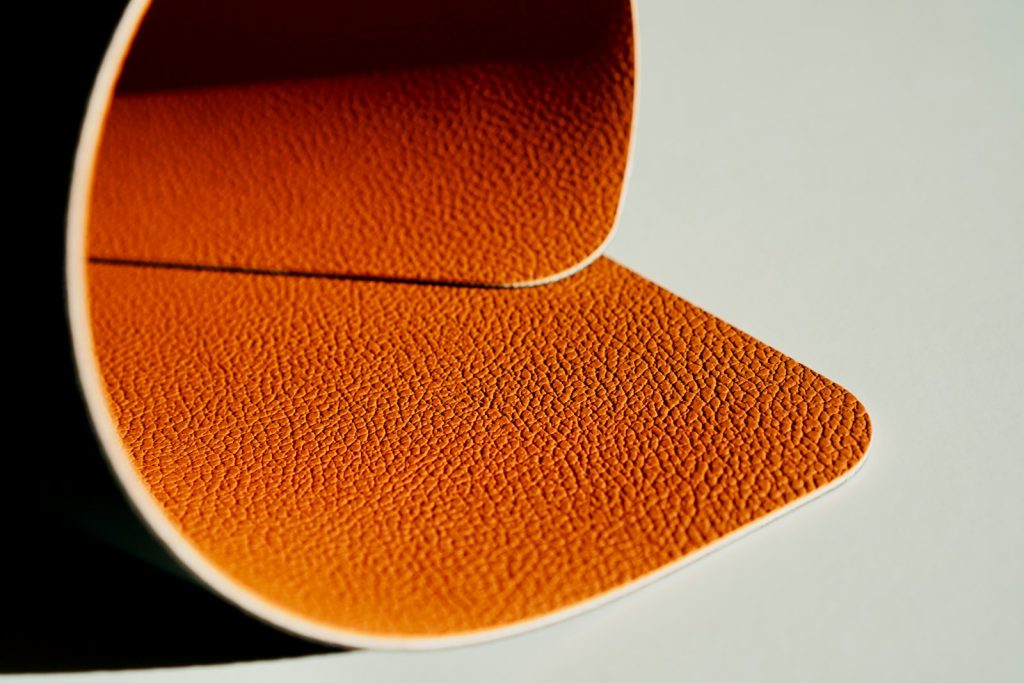
Honest sourcing note: “Crocodile”, “alligator” and “caiman” are different species. The premium crocodilian is saltwater crocodile (Crocodylus porosus); Nile crocodile (C. niloticus) is very high but usually below porosus; American alligator (Alligator mississippiensis) is a separate prized category; caiman is the entry tier. We label species accurately and never sell embossed calf as exotic. Genuine crocodilian is CITES-regulated (typically Appendix II, farmed/ranched, source codes C/F/R); international orders ship with documentation, and you are responsible for your country’s import rules — this is general information, not legal advice. Prices are indicative ranges (mid-2026); final pricing is by quote. Luxury houses are referenced only as neutral examples — we have no affiliation. We are an independent authority and sourcing desk and connect you to vetted makers.
Wholesale crocodile bags are B2B orders of finished crocodile-leather handbags and small leather goods (SLGs), produced in batches for retailers and brands to resell. On this page, “wholesale crocodile bags” means legally sourced, CITES-documented crocodile and other exotic-leather bags made to professional, resale-ready standards—not off-the-shelf tourist goods.
Who We Are: Independent Sourcing Desk, Not a Tannery
CrocodileLeatherBags.com is an independent technical resource and sourcing desk focused on crocodile and exotic-leather bags.
We are not a tannery and not a factory. Instead, we:
– Research and explain species, CITES rules, grading, cuts and finishes in collector-level detail.
– Curate and periodically re-verify a small network of CITES-compliant manufacturers and workshops.
– Coordinate projects between B2B buyers and vetted makers; they craft the goods, you buy from them.
No one can pay to change what we publish; if you proceed with our partner they may pay us a referral fee at no extra cost to you.
Our sister authority site, alligatorwatchstrap.com, focuses on exotic-leather watch straps and related OEM projects. Here, the focus is handbags and SLGs in crocodile, alligator and other exotics.
Species & Labelling: Honest, Precise, Never Misleading
Species clarity is non‑negotiable. In wholesale, mislabelled exotics can create customs problems, brand‑reputation risk, and legal exposure.
We use the following conventions consistently:
- Crocodylus porosus (Saltwater crocodile)
- Often called “porosus”. Premium crocodile for top-end handbags and watch straps. Very fine, tight scale pattern, especially in the belly. Farmed primarily in Southeast Asia and Australia.
- Crocodylus niloticus (Nile crocodile)
- “Niloticus”. High-end crocodile, typically slightly larger scale pattern than porosus. Commonly used in European luxury goods.
- Alligator mississippiensis (American alligator)
- “Alligator”. Separate category, not “crocodile”. Frequently used in matte finishes for luxury leathergoods, watch straps, and footwear.
- Caiman species (e.g., Caiman crocodilus)
- Entry-level exotic. More rigid due to osteoderms (bony plates). Less expensive; does not behave or age like porosus/niloticus/alligator.
- Embossed calf / cowhide
- Not exotic. Cow or calf leather pressed with a crocodile/alligator pattern. We never call it “crocodile” or “exotic”; it is “croc‑embossed calf”.
For wholesale crocodile bags we:
– State the exact species (scientific name + common name) in documentation.
– Distinguish crocodile vs alligator vs caiman, never mixing terms.
– Flag any non-exotic parts (e.g., cowhide linings, goat interior pockets, brass hardware).
If you need “crocodile bags for resale” at different price points, we will usually propose a mix, for example:
– High-ticket: Crocodylus porosus or C. niloticus.
– Mid-tier: Alligator mississippiensis.
– Entry: Caiman (for some silhouettes) or embossed calf (clearly labelled).
CITES & Legal Sourcing: What We Do and What You Must Do
All crocodile, alligator and caiman species relevant to handbags are listed on CITES (Convention on International Trade in Endangered Species of Wild Fauna and Flora), typically Appendix II. That means international trade is allowed but tightly regulated.
Our role:
– We only coordinate projects with manufacturers who:
– Buy skins through CITES-compliant channels.
– Can show CITES documentation for skins (import permits, re-export permits where relevant).
– Use correct CITES source codes (e.g., C = captive-bred, F = born in captivity, R = ranched) on paperwork provided by their suppliers.
– We help you understand, in plain language, what documents should accompany your order as it leaves the producing country.
Your role:
– You and your customs broker must verify all requirements with your country’s CITES Management Authority and wildlife agency.
– You must confirm:
– Whether import permits are needed in addition to export/re‑export permits.
– Any special marking, labelling or pre-approval rules.
– Storage, resale, and re‑export rules in your jurisdiction.
Nothing on this page is legal advice. We strongly recommend that every brand or retailer placing bulk crocodile bags or wholesale exotic leather bags engages a customs broker or compliance specialist in the importing country.
What We Offer for B2B Buyers
For brands, retailers, design studios and corporate buyers, we provide:
1. Wholesale Crocodile & Exotic Leather Bags Production Coordination
We help you specify and source:
– Handbags (totes, top handles, shoulder bags, clutches, crossbodies).
– SLGs (wallets, card holders, belts, pouches).
– Occasional specialty items (watch rolls, small cases) where our partner workshops are experienced.
We match you with a suitable manufacturing partner based on:
– Target species and grade.
– Order size and budget.
– Construction complexity (full exotics vs trim, structured vs soft).
– Required certifications or audits (if any).
2. Design Translation & Technical Specs
You can start from:
– Existing bag references you want to match in silhouette or capacity.
– Your own sketches/3D files.
– A request to adapt a proven pattern to your brand DNA.
We help translate this into manufacturing language:
– Number of panels and cuts (belly, hornback, flank).
– Number of skins per bag.
– Lining materials and hardware spec.
– Edge style (inked vs turned edges).
– Finish (gloss/high-polish, matte, semi-matte, nubuck-style).
3. Transparent Species & Material Options
We will tell you directly when a concept is unrealistic at a given budget. For instance:
– “Full-porosus tote with uniform belly layout” implies at least 2–3 premium skins per bag at wholesale level, which drives cost.
– “Entry-price crocodile bags for resale” might require:
– Smaller formats (e.g., micro bags, SLGs), or
– Switching to alligator or caiman, or
– Using crocodile panels on key surfaces with calf on the back and sides.
4. CITES Paperwork Coordination
Our manufacturing partners:
– Apply for and obtain required export or re‑export permits for exotic skins and finished goods in their jurisdiction.
– Provide you or your broker with copies ahead of shipment so import paperwork can be prepared.
You remain responsible for import permits and in-country compliance, but we help ensure your supplier-side paperwork is in order before you commit to shipping.
5. Indicative FOB Pricing & Budget Planning
Because skins move with global supply and currency, all pricing must be treated as indicative until RFQ.
Typical ranges for handbag-scale orders (FOB, last verified June 2026):
– Crocodylus porosus handbags:
– Approx. USD 1,600 – 2,500 per bag at wholesale for premium grades, classic silhouettes, standard hardware.
– Crocodylus niloticus handbags:
– Approx. USD 1,200 – 2,000 per bag depending on cut, finish, grade.
– Alligator mississippiensis handbags:
– Approx. USD 1,100 – 1,900 per bag, often in matte or semi-matte.
– Caiman handbags:
– Approx. USD 350 – 900 per bag depending on panel usage and construction.
– SLGs (wallets, cardholders) in porosus, niloticus, alligator:
– Often in the USD 180 – 450 range per piece for reasonable MOQs.
These are broad guidance numbers only. Final pricing is always by formal quote based on your design, spec, quantity and delivery timing.
Wholesale Specs: Skins per Bag, Cuts, Finishes, Grades
Wholesale buyers need more precision than consumer descriptions. Below is a simplified overview of technical decisions that affect price and outcome.
Skins per Bag (Typical Ranges)
– Compact clutch / small crossbody:
– Usually 1–2 premium skins (porosus/niloticus/alligator), depending on size and panel layout.
– Medium top-handle / shoulder bag:
– Usually 2–3 skins for full-exotic construction.
– Large tote / structured bag:
– 3+ skins if you require highly symmetrical, full-belly layout.
For partial-exotic constructions (e.g., croc front panel + calf sides/back), skin consumption drops, and costs follow.
Cuts: Belly vs Hornback vs Flank
– Belly cut (smooth scale layout):
– Preferred for most luxury handbags. Higher price; more consistent surface.
– Hornback (raised ridges along the spine):
– More aggressive look. Often used in belts, some bags, and trims.
– Flank / side:
– Used for smaller goods, less visible panels, or for brands seeking a more irregular pattern at a lower skin price.
Finishes
Common finishes for wholesale exotic leather bags:
– Glazed / high polish:
– Very reflective, “classical” exotic look.
– Matte:
– Subtler, often specified for alligator in high-end leathergoods.
– Semi-matte:
– Between matte and gloss; good for everyday bags.
– Nubuck / buffed:
– Softer hand-feel, more vulnerable to stains; not for all markets.
Finish can impact:
– Visible grain/scale definition.
– Perceived formality.
– Fingerprint and scratch visibility in retail handling.
Grading: A, B, C and What It Means in Practice
Every tannery uses its own grading scale, but the logic is similar:
– A-grade (or 1st grade):
– Minimal natural defects; suitable for front panels of premium bags.
– B-grade:
– Minor marks; often used for less visible panels or more casual designs.
– C-grade and below:
– Typically for small cuts, SLGs, or designs that can hide imperfections.
Your cost per bag directly reflects:
– Skin grade.
– Yield (how much of each skin is usable for visible panels).
We will never claim “all A‑grade” unless the tannery documentation and cutting plan support that statement.
MOQs: From Boutique Launches to Established Lines
MOQs differ based on species, product type and complexity. For guidance (last verified June 2026):
Handbags in Crocodile / Alligator
Typical minimums per style–color:
– Crocodile (porosus / niloticus) handbags:
– ~10–30 bags per style–color.
– Alligator handbags:
– Similar range: ~10–30 bags per style–color.
Factors that can push MOQs up:
– Highly custom hardware molds (logos, clasps).
– Unusual colors that require custom dye lots.
– Complex construction that slows line throughput.
Caiman Bags
– MOQs per style–color often start ~20–40 units, depending on the workshop and pattern efficiency.
SLGs (Wallets, Card Holders, Small Cases)
Because pattern pieces are small and layout is efficient:
– Many workshops work with:
– ~50–200 pieces per style–color as a practical MOQ.
– Within that, some may allow:
– Assortment across several related SKUs (e.g., cardholder + bifold wallet) sharing the same leather and color.
Mixed-SKU Programs
If you want a mix of bulk crocodile bags and SLGs using the same skin and color, we can often:
– Aggregate quantities on the material side.
– Maintain style-level MOQs for production planning.
For a specific quote suited to your product plan, plan your trip with us via email or WhatsApp—share your line list, target species, and budget bands.
Lead Times: From Sampling to Delivery
Lead times depend on:
– Design complexity.
– Skin availability.
– CITES permit processing times.
– Peak vs off-peak production.
Indicative timelines (last verified June 2026):
Development & Sampling
– Pattern development + prototype:
– ~4–8 weeks after finalizing sketches/specs and paying sampling fees.
– Revisions:
– Add ~2–4 weeks per significant design change.
If you already have production-ready tech packs and patterns from past work, this phase can be shorter.
Production
From sample approval and deposit:
– SLGs:
– ~6–10 weeks for typical MOQs (50–200 pieces per style–color).
– Handbags:
– ~10–16 weeks for typical MOQs (10–30 pieces per style–color).
CITES Paperwork & Shipping
– CITES permit issuance:
– Highly variable by country; often several weeks.
– Logistics:
– Transit time depends on mode (air freight vs courier) and your location.
Work backwards from target in‑store dates. If you operate on a seasonal calendar, you will generally want to start a new style 6–9 months before retail launch, especially for premium species.
Pricing Structure: How Quotes Are Built
FOB pricing for wholesale exotic leather bags generally includes:
– Material cost:
– Exotic skins (priced per cm or by skin).
– Complementary leathers (linings, structural layers).
– Hardware (stock or custom).
– Labor:
– Cutting, skiving, stitching, edge finishing, quality control.
– Overheads:
– Sample development amortization (often built into volume orders).
– Packing and standard documentation.
What is normally excluded from FOB:
– International freight.
– Insurance.
– Import duties, VAT/sales tax.
– Broker fees and any in-country compliance costs.
We will always label prices clearly as:
– Currency (typically USD).
– FOB point (city/country).
– Validity period of the quote.
For firm numbers tailored to your product and timing, send an RFQ via plan your trip—you can attach sketches or existing references, and we can continue via WhatsApp for quicker iteration on specs.
Use-Cases: Who Our B2B Service Fits
Our wholesale crocodile bags coordination is best suited to:
1. Independent Luxury Brands
Brands aiming for:
– Honest species labelling: “Crocodylus porosus” on swing tags and care cards.
– Clean compliance: CITES paperwork, origin traceability where available.
– Collector‑credible construction: real cuts, not fantasy marketing.
We are comfortable speaking in the same technical language that serious collectors use when discussing, for example, porosus vs niloticus or flap panel layout.
2. Retailers & Department Stores
Retailers needing:
– Private-label collections developed under their own mark.
– Limited runs of bulk crocodile bags for specific regions or flagship stores.
– Entry / mid / top tiers defined by species and construction, not just price.
You can, for instance, structure a tiered assortment:
– Flagship pieces in porosus.
– Core in niloticus or alligator.
– Price-entry in caiman or crocodile-trimmed calf.
3. Corporate & VIP Gifting Programs
For tightly controlled gifting (subject to import rules):
– CEO or board gifts.
– Long-service awards.
– VIP client presentations.
Here, traceability and clear paperwork matter even more; we focus on simple, repeatable silhouettes in reliable colors and finishes.
Comparison: Species, Price Tier & Typical Use
| Material | Typical Tier | Characteristics | Common Uses in Bags |
|---|---|---|---|
| Crocodylus porosus (saltwater crocodile) | Top-tier | Very fine, tight scales; high price; strong resale cachet | Flagship handbags, hero SKUs, small showpieces |
| Crocodylus niloticus (Nile crocodile) | Upper-tier | Slightly larger scales than porosus; excellent for larger panels | Core luxury handbags, larger totes, structured pieces |
| Alligator mississippiensis | Upper-tier (separate category) | Often matte; flexible; strong in watches and SLGs | Handbags, SLGs where matte sophistication is desired |
| Caiman species | Entry exotic | Stiffer, more bony; lower price; more limited shaping | Entry-price bags, trims, some structured shapes |
| Croc-embossed calf | Non-exotic | Pattern only; no CITES; lower material cost | Volume lines, travel retail, test styles before going exotic |
We reference luxury houses (Hermès, Louis Vuitton, Gucci, and others) only as public examples of how different exotics are used—there is no affiliation or relationship implied, and we never claim to share their tanneries or workshops.
Care, After-Sales & Documentation for Resale
As a wholesale buyer, you need more than a finished bag; you need what goes with it on the shelf.
Care Guidance
We can help your team develop:
– Care cards that:
– Name the species correctly.
– Explain finish-specific care (gloss vs matte).
– Clarify realistic expectations on patina, small marks, and natural variation.
– Internal guidelines for:
– In‑store handling.
– Storage (humidity, light).
– Basic cleaning and when to refer to a specialist.
Documentation for End Customers
Depending on your market and positioning, this may include:
– Species statement:
– “Outer: Crocodylus porosus (saltwater crocodile), farmed, CITES Appendix II.”
– Country of manufacture.
– Lining and hardware materials.
We can share sample frameworks; you should align final wording with your legal counsel.
Repairs & After-Sales
Not all workshops support full repairs, but for repeat-volume clients we aim to:
– Agree on a repair / refurbishment approach upfront.
– Clarify:
– Which issues can be addressed in the original workshop.
– Expected lead times and indicative costs (by quote).
– When local repair specialists in your market are more appropriate.
How to Request a Wholesale Quote (RFQ)
To move from ideas to numbers:
1. Prepare your brief:
– Intended species (porosus, niloticus, alligator, caiman, or combination).
– Product list (styles, approximate sizes).
– Estimated quantity per style–color.
– Target retail price bands and markets (countries).
2. Include references:
– Sketches, photos, or links that show approximate silhouettes and details.
3. Contact us:
– Use plan your trip to send the brief.
– Mention that it is a wholesale / OEM / private-label enquiry.
– Share your preferred contact method; we can continue via WhatsApp for faster, iterative discussion.
Once we have your brief, we typically:
– Propose suitable material and construction options.
– Flag any compliance or CITES complexity we see.
– Ask for clarifications.
– Then coordinate indicative FOB quotes from an appropriate workshop.
All commercial terms (pricing, payment, Incoterms) are agreed directly between you and the maker; our role is to make that conversation more informed and better structured.
FAQs: Wholesale Crocodile & Exotic Leather Bags
What is the MOQ for wholesale crocodile bags?
For crocodile and alligator handbags, a practical MOQ is usually around 10–30 bags per style–color. For SLGs such as wallets and card holders, MOQs are often 50–200 pieces per style–color. These figures are indicative (last verified June 2026) and can vary by workshop, complexity, and whether you are repeating an existing pattern.
Do you ship with CITES documents included?
Our partner manufacturers arrange the required export or re‑export CITES paperwork on their side and ship goods with those documents. You, your broker, or your importer are responsible for obtaining any necessary import permits and ensuring compliance in your country. We help you understand which documents you should expect from the supplier but do not provide legal advice.
What are the typical lead times for bulk crocodile bags?
After samples are approved and deposits paid, indicative production lead times are about 10–16 weeks for handbags and 6–10 weeks for SLGs, plus CITES permit processing and shipping. Sampling and development can add another 4–8 weeks or more, especially for new or complex designs.
Which species can you help source for wholesale exotic leather bags?
We primarily work with Crocodylus porosus (saltwater crocodile), Crocodylus niloticus (Nile crocodile), Alligator mississippiensis (American alligator), and select caiman species. We always label species honestly and never describe caiman or embossed calf as “crocodile”. If a project involves other exotics, we assess case‑by‑case based on legal and sourcing viability.
What FOB prices should I expect for crocodile bags for resale?
Indicative FOB ranges (last verified June 2026): porosus handbags usually fall around USD 1,600–2,500 per bag; niloticus roughly USD 1,200–2,000; alligator about USD 1,100–1,900; and caiman USD 350–900, depending on design, grade, and volume. SLGs in premium species typically fall in the USD 180–450 range per piece. Final prices are always confirmed by formal quote against your exact specifications.