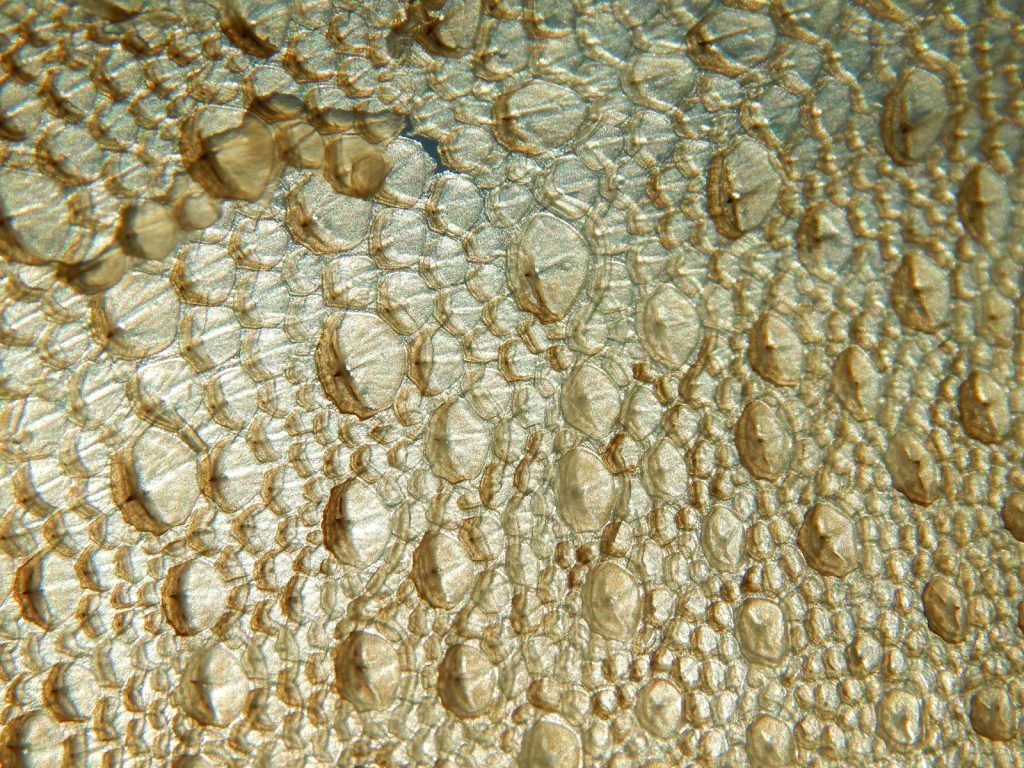
Honest sourcing note: “Crocodile”, “alligator” and “caiman” are different species. The premium crocodilian is saltwater crocodile (Crocodylus porosus); Nile crocodile (C. niloticus) is very high but usually below porosus; American alligator (Alligator mississippiensis) is a separate prized category; caiman is the entry tier. We label species accurately and never sell embossed calf as exotic. Genuine crocodilian is CITES-regulated (typically Appendix II, farmed/ranched, source codes C/F/R); international orders ship with documentation, and you are responsible for your country’s import rules — this is general information, not legal advice. Prices are indicative ranges (mid-2026); final pricing is by quote. Luxury houses are referenced only as neutral examples — we have no affiliation. We are an independent authority and sourcing desk and connect you to vetted makers.
A crocodile wallet is a small leather good (SLG) made from genuine crocodilian hide rather than embossed calf or synthetic material. On this page we break down exactly what that means in practice — species, cuts, finishes, pricing and CITES — so you can choose a crocodile leather wallet with the same clarity a collector brings to a full-size bag.
What Counts as a True Crocodile Wallet?
A genuine crocodile wallet or exotic leather wallet is made from the skin of one of the recognized crocodilian species, tanned for leather use and traded in compliance with CITES (the Convention on International Trade in Endangered Species).
In practice, that usually means one of four commercial categories:
- Saltwater crocodile – Crocodylus porosus (often shortened to “porosus”)
- Nile crocodile – Crocodylus niloticus (“niloticus”)
- American alligator – Alligator mississippiensis (“gator” in watch-strap and wallet talk)
- Caiman – mainly Caiman crocodilus and related species
Anything else is not crocodile, even if it is sold as a “croc-effect” or “croc print” wallet:
- Embossed calf, cowhide or goat with a crocodile pattern pressed in
- PU / PVC “vegan leather” with a crocodile print
Embossed leather can be attractive and practical, but as a materials desk we never call it “exotic” and it does not behave like real crocodilian skin in wear, patina or repair.
Why Wallets & SLG Are the Smart Entry into Exotic Leather
Wallets and small leather goods are often the first step into exotics for collectors and brands.
Efficient use of each skin
A full belly skin of porosus or niloticus that might be used for one medium handbag can yield several SLG pieces. Typical outcomes from a clean, medium belly:
- 2–4 classic billfold wallets, or
- 4–8 slim card holders and key pouches, plus small trims, depending on pattern-matching
Because the most valuable part of the skin — the central belly with regular scales — is relatively small, using offcuts intelligently for cardholders and coin cases makes economic sense and reduces waste.
Investment level
Indicative price ranges for crocodile wallet and SLG production (last verified June 2026, always final by quote):
- OEM / brand / private label: roughly US$80–400 per piece ex‑works, depending on species (porosus vs caiman), grade, finish, lining and MOQ.
- Retail to end-customer: for a well‑made genuine crocodile leather wallet from quality makers, typically US$500–2,500 depending on species, brand positioning and craft complexity. Major luxury houses often sit toward or above the upper end of this range.
Those are broad ranges, intended as orientation. For a precise quote, use our sourcing desk via plan your trip (we coordinate detail by email or WhatsApp).
Species: Porosus vs Niloticus vs Alligator vs Caiman
Species drives both price and how the leather actually behaves. Lumping everything under “crocodile” hides real differences.
Saltwater crocodile – Crocodylus porosus
Often referred to in luxury descriptions simply as “crocodile” when no other species is mentioned, but technically porosus is a specific species:
- Position: Top tier among commercial crocodiles.
- Scale pattern: Very fine, tight, relatively small and regular scales on the belly — ideal for compact items like card holders where pattern proportion matters.
- Typical use: High-end wallets, clutches, micro-bags. Also seen in high-collectibility pieces from brands like Hermès or Louis Vuitton (public examples only; we have no affiliation).
- Feel: Supple but with good structure; takes both matte and high-gloss glazed finishes extremely well.
If someone sells a “premium crocodile wallet” without being explicit, ask for the scientific name. If the label is porosus, you are in top-shelf territory.
Nile crocodile – Crocodylus niloticus
Nile crocodile sits just below porosus in most grading hierarchies:
- Position: Very high quality, usually slightly below porosus for price.
- Scale pattern: Slightly larger, more pronounced scales; attractive center-belly tiles that read well even on a small wallet panel.
- Feel: Depending on the tannery, can be almost as supple as porosus, especially in matte finishes.
Many serious collectors are comfortable with a niloticus crocodile wallet as a daily-user piece, reserving porosus for occasional or “safe-queen” items.
American alligator – Alligator mississippiensis
Technically not a crocodile, but functionally part of the same exotic-leather conversation and often used in wallets:
- Position: Prized in its own right; often priced roughly alongside porosus for top grades.
- Scale pattern: More irregular and “organic” than porosus; the navel area can be especially characterful.
- Typical finish: Frequently matte, especially for alligator watch straps and minimalist card holders where a more understated look suits collectors.
On our sister site alligatorwatchstrap.com we cover strap-specific details, but the same ratings and grading logic apply to alligator wallets and card holders.
Caiman – Caiman crocodilus and relatives
Caiman is real crocodilian, but in a different tier:
- Position: Entry-level exotic for wallets and belts.
- Structure: More prominent osteoderms (bony plates) in the scales, especially toward the back and flank.
- Feel: Typically stiffer and less supple than porosus, niloticus or alligator, particularly in thicker cuts.
This stiffness can be acceptable in a card holder or passport cover, but it will never fold as softly as a high-grade porosus or alligator billfold. Honest labeling means a caiman wallet should be called exactly that: caiman, not “premium crocodile.”
Fast species comparison
| Category | Porosus | Niloticus | Alligator | Caiman |
|---|---|---|---|---|
| Scientific name | Crocodylus porosus | Crocodylus niloticus | Alligator mississippiensis | Caiman crocodilus (and related) |
| Typical tier | Top-tier crocodile | Very high | Prized, separate category | Entry-level exotic |
| Feel in wallets | Supple, refined | Supple, slightly bolder scales | Supple, natural pattern | Noticeably stiffer |
| Best for | Flagship SLG, porosus card holder | Daily high-end wallet | Matte connoisseur wallets | Budget exotics, rigid covers |
CITES & Legality for Crocodile Wallets
All commercial crocodilian species used in leather — porosus, niloticus, alligator, caiman — fall under CITES regulation:
- Most farmed porosus and niloticus are listed in CITES Appendix II, allowing controlled trade in skins and finished products.
- American alligator is also managed under CITES, with sustainable-use programs in producer countries.
Exported skins and, in some jurisdictions, finished wallets should carry or be traceable to valid CITES documentation. Common CITES source codes you may see on paperwork:
- C – Bred in captivity (commercial)
- F – Captive bred (not necessarily for commercial farming)
- R – Ranched (taken as eggs or juveniles, reared in controlled conditions)
This page is not legal advice. Regulations for importing or selling a crocodile leather wallet vary by country and can change. Buyers and brands should always verify current requirements with their national CITES Management Authority before shipping or purchasing across borders.
Our sourcing desk only works with suppliers that present current CITES compliance for the skins they use, but you remain responsible for checking what is allowed into your country.
Belly vs Hornback and Panel Selection for Wallets
For crocodile bags we talk a lot about belly cut vs hornback. For wallets and small leather goods, the usage shifts slightly.
Belly cut for refined wallets
Most high-end crocodile wallet designs use the central belly of the animal:
- Reason: small, even scales that read as refined on a compact surface.
- Look: balanced tiles with subtle transition toward the flanks; ideal for a minimalist porosus card holder or discreet billfold.
Because each wallet panel is small, a single belly skin can be blocked and cut so that several wallets each get a visually centered, symmetrical pattern.
Hornback and flank for character pieces
Hornback — the raised, bony back scales — is used less often in wallets but can create distinctive pieces:
- Hornback wallets: Rare, often stiffer and more sculptural; usually suited to card cases rather than thick billfolds.
- Flank panels: For brands aiming at cost efficiency, flanks may be used for parts of the wallet interior or lower-priority panels, while the best belly area is reserved for the visible exterior face.
Honest labeling means these are still crocodile wallets, but if a panel is significantly off-center or uses flank, expect a lower skin cost than a perfectly centered belly-tiles front.
Finishes: Matte, Glazed, Himalaya & More
Finish dramatically changes how a crocodile wallet looks and ages.
Matte crocodile wallets
Matte is often the connoisseur’s choice:
- Feel: Soft, velvety hand; less slippery than glazed.
- Wear: Develops a subtle patina with use; corners burnish gently.
- Best on: Alligator and porosus where scale texture and micro-detail really matter.
A matte alligator or porosus card holder can slide into a tailored pocket without drawing too much attention, but still reward close inspection.
Glazed crocodile wallets
Glazed finish is achieved by polishing the leather under pressure, often with glass or agate rollers:
- Look: High sheen that emphasizes scale outlines and color depth.
- Wear: Surface micro-scratches may show more readily but can often be lightly buffed.
- Use case: Dressier wallets, evening card cases, statement pieces.
Because glazed crock is more reflective, very bold colors (reds, blues) become more “jewellery-like” — attractive if that is the intent.
Himalaya-style finishes
“Himalaya” in crocodile-leather circles refers to a pale neutral gradient, typically from off‑white or chalk to taupe or soft grey.
- Origin: Popularized publicly on porosus bags by houses like Hermès (again, public examples only; no affiliation).
- Execution in wallets: A Himalaya-style crocodile leather wallet needs careful panel placement so the gradient sits pleasingly across a small surface.
These finishes are usually on porosus or niloticus and can be more sensitive to dirt because of the very light base tones. Owners must accept a higher-care routine.
Other finishes & textures
For SLG you may also see:
- Satined / semi-matte: Between matte and glazed, with a quiet sheen.
- Nubuck / buffed: Rare in crocodile, but some tanneries lightly buff the surface to raise a nap; this greatly affects water sensitivity.
- Metallic / pearl: Foils or metallic pigments on exotics; visually arresting but typically more fragile to abrasion.
Each finish changes how the leather responds to abrasion, moisture and oils from hands, so care strategy must match.
Construction: How Many Skins per Wallet & Why It Matters
For full-size bags we often talk in “skins per bag”. For a crocodile wallet or card holder, all visible panels may still come from one main skin, but understanding yield is useful:
- One medium porosus belly skin: often yields several centered wallet fronts or many card holders.
- Interior parts: Frequently made from smooth calf, goatskin or fabric to keep bulk down and manage cost.
Key construction variables that affect both durability and cost:
- Leather thickness & skiving: Properly thinned folds at edges prevent bulk and cracking.
- Edge finishing: Painted edges in multiple coats vs folded edges (turned) — both can be durable if executed well.
- Lining: Full leather lining adds cost but improves feel and longevity.
A lower-cost crocodile wallet may use more offcut zones of the skin and simpler internal construction. A high-end porosus card holder will prioritize perfect scale placement, ultra-precise skiving and edges, and fine linings.
Indicative Pricing, MOQ & Lead Times
All ranges below are indicative and last verified June 2026. Every project still needs a fresh quote.
OEM / brand / private-label ranges
For brands requesting OEM production:
- Caiman wallets / card holders: roughly US$80–150 per piece for simple designs at moderate MOQs.
- Niloticus wallets: roughly US$150–300 per piece depending on grade, finish and scaling requirements.
- Porosus or alligator SLG: commonly US$250–400+ per piece for top grades and refined construction.
MOQ (minimum order quantity)
Typical MOQs we see from vetted workshops:
- Caiman / entry exotics: 50–100 pieces per model/color.
- Porosus / niloticus / alligator: often 10–30 pieces per model/color for SLG, depending on skin availability and complexity.
Some makers are open to smaller runs for prototypes at a higher unit cost.
Lead times
Production timing is usually controlled by:
- Skin availability in the required grade, color and finish.
- Workshop capacity and your approval cycles (sampling, corrections).
Indicative ranges:
- Sampling: 4–8 weeks from finalized spec, particularly if colors must be matched.
- First production run: 8–16 weeks after sample sign‑off and deposit.
To discuss a specific project, share your sketches or reference photos via plan your trip — we can coordinate detail (including WhatsApp) with appropriate makers.
Genuine vs Embossed: How to Tell on a Wallet
Distinguishing a genuine crocodile leather wallet from embossed calf becomes easier once you know what to look for:
Scale variation and alignment
- Real crocodile: Scales are not perfectly uniform. Look for gradual transitions from large to smaller scales, tiny differences from one tile to the next, and slight asymmetries.
- Embossed calf: The pattern repeats. You may find identical tile clusters separated by a short distance, especially on larger surfaces like passport covers.
Pore and follicle structure
Under strong light:
- Real exotic: Some pores and natural skin features remain visible, particularly at the edges of scales.
- Embossed: The grain often looks “too smooth” between scales, with no natural variation in pore size.
Cut edges and cross-section
Inspect a clean, straight edge (inside a card slot or at the fold):
- Genuine crocodile: You see the same pattern (including scale transitions) only on the surface; the cross-section is solid leather, often pre‑dyed, with depth.
- Embossed calf: The depth of the “scales” is shallow; under magnification you can often see compression from the embossing plate.
Label honesty
Legitimate labels, especially in markets sensitive to CITES, will state:
- “Crocodylus porosus” / “Crocodylus niloticus” / “Alligator mississippiensis” / “Caiman crocodilus”, or
- At least “genuine crocodile” or “genuine alligator” on a small tag or lining stamp.
If a brand won’t specify the species or uses phrases like “croc-effect leather”, “croc print” or “PU crocodile”, treat it as embossed or synthetic, not exotic.
Bespoke & Collector-Grade Crocodile Wallets
For collectors and enthusiasts, a bespoke crocodile wallet or porosus card holder allows control over details mass production often can’t prioritize.
Choices you can control
- Species: Porosus vs niloticus vs alligator vs caiman, with transparent pricing differences.
- Cut: Centered belly tiles vs more expressive flank or even partial hornback.
- Finish & color: Matte vs glazed, classic black/navy/brown vs bolder hues or Himalaya-style gradients.
- Thread & lining: Contrasting hand-stitching, goatskin or calf lining, card-slot configuration.
How we operate
Crocodile Leather Bags is an independent materials and sourcing desk, not a tannery or single workshop. Our role:
- Explain the materials and grading landscape honestly.
- Curate and connect you with vetted, CITES-compliant makers for your project.
- Help you specify details in language the craftspeople understand.
No one can pay to change what we publish; if you proceed with our partner they may pay us a referral fee at no extra cost to you.
For a bespoke wallet or small batch for your brand, share your requirements through plan your trip. If preferred, we or the maker can continue detailed coordination by WhatsApp once basics are clear.
Care & Longevity: Making a Crocodile Wallet Last
A well‑made crocodile wallet can give many years of service if you respect how exotic leather behaves.
Handling & storage
- Avoid overstuffing: For billfolds especially, repeated overfilling strains the fold and can cause cracking at edges over time — more noticeable in glazed finishes.
- Keep dry: Crocodile is more water‑tolerant than unfinished calf, but repeated soaking–drying cycles will dull finishes and dry the fibers.
- Store flat: For rarely used pieces, store flat or gently closed, away from direct sunlight and heat sources.
Cleaning
- Dust and light soiling: Wipe with a soft, slightly damp cloth, then gently dry.
- Avoid heavy conditioners: Most general-purpose leather creams are formulated for cowhide and can leave residue in the scale creases or change the gloss, especially on glazed porosus.
- Specialist products: Use only cleaners clearly formulated for exotic leathers, and test on an inconspicuous area first.
Glazed vs matte in daily wear
- Glazed: More sensitive to hairline scratches and abrasion from coins, keys or rough pockets. Use individual compartments or carry separate from hard objects.
- Matte: More forgiving; small scuffs often blend into the developing patina.
Professional repair
Complex repairs (re-edging, restitching, recoloring) on crocodile wallets should be handled by workshops with exotic-leather experience. Some local cobblers are excellent with calf but unfamiliar with exotic finishes and can unintentionally damage the surface.
If you need help finding an exotic-capable repair shop, our plan your trip form is a starting point; we can point you toward options, and coordination can continue via WhatsApp if needed.
FAQ: Crocodile Wallet & SLG
How much does a genuine crocodile wallet cost?
Indicatively, OEM or private-label production runs from about US$80–400 per piece ex‑works depending on species, grade and complexity, last verified June 2026. Retail prices for well‑made genuine crocodile wallets usually fall between US$500 and US$2,500. Porosus and alligator at high grades sit toward the upper end, while caiman or simpler constructions are lower. Exact costs are always by quote.
How can I tell if my crocodile wallet is genuine or embossed?
Check for natural scale variation rather than a perfectly repeating pattern, look closely at the pores and edges of each scale, and inspect a cut edge inside the wallet. Genuine crocodile or alligator has irregular, organic tiles and solid leather cross-sections, while embossed calf shows a repeating plate pattern and shallow, uniform impressions. Honest labels will specify the species or at least say “genuine crocodile” or “genuine alligator”.
Which species is best for a high-end crocodile leather wallet?
For a collector-grade piece, porosus (Crocodylus porosus) and American alligator (Alligator mississippiensis) are the top-tier choices, with niloticus (Crocodylus niloticus) close behind. They offer fine, supple leather and elegant scale patterns. Caiman is genuine crocodilian but stiffer and generally treated as an entry-level exotic for wallets and SLG.
What is the minimum order quantity (MOQ) if I want to produce crocodile wallets under my brand?
MOQ depends on species, maker and complexity, but many workshops work around 50–100 pieces per style for caiman and roughly 10–30 pieces per style for porosus, niloticus or alligator SLG. Prototyping can often be done in smaller quantities at higher unit cost. The exact MOQ and lead time are confirmed case by case through a detailed quote.
Can I legally import a crocodile wallet into my country?
All common crocodilian species used in leather are CITES-listed, typically under Appendix II for farmed porosus and niloticus and managed programs for alligator. Many countries allow import of finished crocodile wallets with proper CITES documentation, but rules differ and change over time. You should always check current regulations with your national CITES Management Authority or customs service before buying or shipping a crocodile leather wallet across borders.