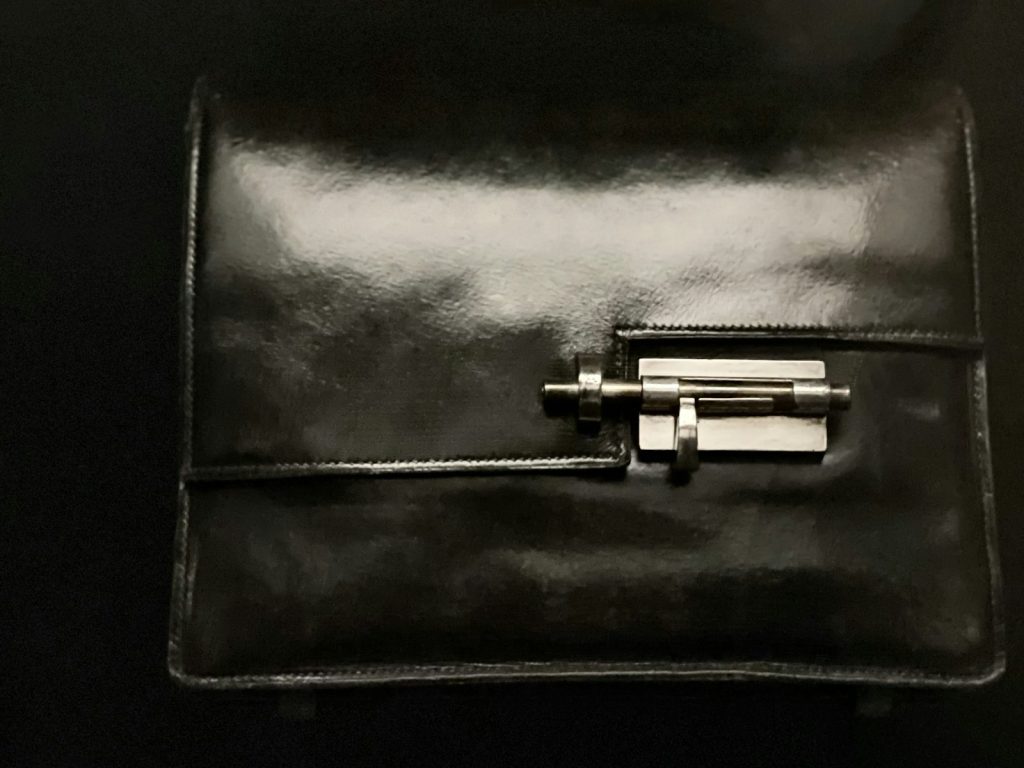
Honest sourcing note: “Crocodile”, “alligator” and “caiman” are different species. The premium crocodilian is saltwater crocodile (Crocodylus porosus); Nile crocodile (C. niloticus) is very high but usually below porosus; American alligator (Alligator mississippiensis) is a separate prized category; caiman is the entry tier. We label species accurately and never sell embossed calf as exotic. Genuine crocodilian is CITES-regulated (typically Appendix II, farmed/ranched, source codes C/F/R); international orders ship with documentation, and you are responsible for your country’s import rules — this is general information, not legal advice. Prices are indicative ranges (mid-2026); final pricing is by quote. Luxury houses are referenced only as neutral examples — we have no affiliation. We are an independent authority and sourcing desk and connect you to vetted makers.
The best crocodile handbags are those with correctly identified species, high-grade belly-cut panels, clean construction, and verifiable CITES paperwork—not just a famous logo. If you want the best crocodile handbags or the best exotic leather bags, you have to get past marketing language and into species, cuts, grades, and build quality.
What “Best Crocodile Handbags” Actually Means
Most “top crocodile handbags” lists are just brand rankings. Serious collectors and trade buyers look at something else entirely:
– Exact species (porosus, niloticus, alligator, caiman—not just “croc”)
– Panel layout and cut (belly vs hornback; single-piece front vs pieced)
– Grade of the skins used (I, II, commercial grades)
– Finish (glossy vs matte vs specialty)
– Construction and internal build (lining, edge work, hardware)
– CITES legality and traceable sourcing
– Condition and maintainability over decades
This page breaks that down so you can evaluate any crocodile handbag on its actual merits, at any price point or brand.
The Four Main “Crocodile” Species in Handbags
Accurate species labelling is non‑negotiable. “Genuine crocodile” on a tag tells you almost nothing.
| Species / Trade Name | Latin Name | Typical Market Position | Common Uses in Handbags | CITES Status* |
|---|---|---|---|---|
| Saltwater / Porosus Crocodile | Crocodylus porosus | Top-tier luxury, highest prices | Icon models, single-skin fronts, micro-grain belly | Appendix II (ranching/farming with quotas) |
| Nile Crocodile (Niloticus) | Crocodylus niloticus | High-end luxury, slightly below porosus | Structured handbags, larger formats, hornback pieces | Appendix II (managed populations) |
| American Alligator | Alligator mississippiensis | Luxury, very respected in US and Japan | Soft, supple bags, matte finishes, slouchier shapes | Appendix II (wild + farmed, heavily regulated) |
| Caiman (several species) | Caiman spp. | Entry-to-mid exotic | Smaller handbags, clutches, often stiffer feel | Typically Appendix II |
*CITES info is general, not legal advice. Specific populations and source codes (C/F/R/W) matter.
Two essential rules:
1. Alligator is not “crocodile.” It’s a different animal, regulated differently.
2. Caiman is not a “budget porosus.” It’s a lower-cost exotic with different structure, texture, and durability expectations.
Belly vs Hornback: The Cut Dictates the Look
Before logos or hardware, the cut is what your eye sees first.
Belly Cut (Flank/Belly Panels)
– Flat, regular tiles, fewer bony ridges
– Easier to pattern-match and fold
– Classic look used in many “grail” handbags
– Generally more expensive than hornback from the same animal and grade
High-end “best crocodile handbags” that aim for a clean, refined appearance almost always use belly cuts, especially in porosus and alligator.
Hornback Cut (Back/Ridge Panels)
– Prominent ridges and spikes
– Very three‑dimensional, tactile
– Harder to work; more waste during cutting
– Often seen in bolder, more aggressive designs
Hornback bags can be visually dramatic, but not everyone wants that level of texture for daily use. Many collectors consider a hornback piece “secondary” to a well‑executed belly‑cut handbag.
How Many Skins and What Grades Go Into a Bag?
You cannot judge a crocodile bag properly without understanding both skin count and grading.
Skins Per Bag (Typical Ranges)
These are working norms, not fixed rules; exact usage depends on pattern size and the artisan’s efficiency:
– Small clutch (porosus/alligator belly): 1–2 skins
– Medium top‑handle bag: usually 2 skins, occasionally 3 for perfect matching
– Large tote or travel bag: 3–5 skins
– Complex designs with pockets/flaps/straps: add 0.5–1 skin equivalent in offcuts
A “single‑skin front” usually means the visible front panel is cut from one primary belly or flank piece, without seams. That’s a key indicator of quality and good pattern use.
Grading: What Grade I vs II vs Commercial Actually Means
Every reputable crocodile tannery grades skins visually. While specifics vary, a simplified version looks like this:
- Grade I
- Minimal defects in the central belly area; clean tiles; scars, bite marks or holes either absent or outside the cutting zone. Used for flagship bags and high‑visibility panels.
- Grade II
- Minor visible imperfections; small healed scars or insect marks. Often used on side panels, backs, or in less expensive lines.
- Commercial / Lower Grades
- More visible defects, uneven grain, or growth marks. Often used for small goods, patchwork, or heavily pigmented/dark colors that hide flaws.
A “best of the best” handbag will normally use Grade I (or I/II mix) skins with Grade I on the front and flap. If someone is offering “top crocodile handbags” pricing with obviously scarred or uneven front panels, you’re paying flagship prices for non‑flagship materials.
Finishes: Gloss, Matte and Specialty
Finish changes both appearance and day‑to‑day behavior of the leather.
High‑Gloss (Polished) Finish
– Achieved through glazing on a glass or agate roller
– Amplifies the natural tile pattern and color depth
– Historically associated with European luxury houses
– Slightly more scratch‑sensitive in visible light, but can be re‑glazed by a specialist
Matte Finish
– More natural, velvety hand
– Often favored for alligator and some porosus in Japan and the US
– Hides minor wear better over time
– Pairs well with less formal, slouchier bag shapes
Specialty Finishes
– Pearlized, metallic, “ombré” dyes, distressed/pull‑up effects
– Exotic but more trend‑driven and sometimes more delicate
– Require checking that the finish thickness does not stiffen the skin or obscure the scales completely
A truly top crocodile handbag is not just glossy by default; the finish should suit the bag’s design, use case, and the owner’s wardrobe.
Construction Quality: What You Should Inspect
Species and grade are only half the story. Build quality is where a “good” exotic becomes one of the best exotic leather bags in your collection.
Panel Matching and Symmetry
– Tiles on left and right sides should mirror reasonably (size and alignment)
– Belly centerline should be close to the visual center of the bag front
– Seams should avoid slicing through the most visually prominent tiles when possible
Strong panel matching signals both access to multiple skins and skill in cutting.
Edges, Stitching and Hardware
– Clean, even edge paint with no cracking or overspill
– Stitch length consistent; tension not so tight that it bites into the scales
– Reinforced stress points (handle bases, strap attachments)
– Hardware with a coherent finish (PVD, palladium tone, gold tone) that feels solid, not hollow
A crocodile bag that skimps on internal structure or hardware is not one of the “best,” even with a high‑grade skin on the outside.
Lining and Internal Build
– Full leather or durable fabric lining (no raw or crumbly backing)
– Independent structural layers so the crocodile face is not carrying all the load
– Clean pockets and zips that open smoothly without scraping edges
If you are commissioning or shortlisting a truly special piece, ask how the bag is structured internally—not just what’s on the outside.
CITES and Legality: Non‑Negotiable Basics
Crocodile, alligator and caiman skins used in commercial trade are generally listed in CITES Appendix II, meaning international trade is regulated by permit. A few core points:
– Every cross‑border movement of a commercial crocodilian skin or finished bag should be covered by valid CITES documentation from the exporting country.
– Source codes such as C (captive‑bred), F (born in captivity), R (ranching), or W (wild) may appear on paperwork, depending on origin. Captive/ranching is standard for modern luxury supply chains.
– Different importing countries (EU, US, UK, others) overlay their own rules on top of CITES, including some state‑level restrictions in places like California on certain species/products.
This page is not legal advice. For any specific shipment or wholesale project, you should have both the exporter and importer confirm paperwork and local compliance. If you want to scope a project with compliant sourcing, use plan your trip—you can also coordinate quickly by WhatsApp.
Price Ranges for Top Crocodile Handbags (Mid‑2026)
Exact pricing is always by quote. Skins, labor markets, and exchange rates move. Last verified June 2026, realistic retail ranges (non‑discount, legitimate species, not embossed cowhide) look roughly like this:
| Species / Build | Typical Bag Type | Indicative Retail Range* (USD) | Notes |
|---|---|---|---|
| Porosus belly, Grade I | Medium iconic top‑handle / shoulder bag | ~$18,000 – $60,000+ | Single‑skin fronts; big brands at the upper end, bespoke often mid‑range |
| Niloticus belly, high grade | Medium–large structured handbags | ~$8,000 – $25,000+ | Often better value than porosus at comparable build quality |
| American alligator matte | Soft shoulder bags, hobos, small totes | ~$6,000 – $20,000+ | Highly regarded for feel; pricing overlaps with niloticus |
| Caiman | Smaller handbags, clutches | ~$1,500 – $6,000+ | Entry exotic; stiffer, more rigid hand |
| Patchwork / Multi‑piece builds (any species) | Statement bags, large formats | Broadly similar or slightly less than single‑panel equivalents | Labor can offset material savings; quality can be excellent if done well |
*Ranges are broad and for orientation only, last verified June 2026. Final pricing is always by quote.
A “deal” that seems far below these bands for supposed Grade I porosus or alligator should trigger questions about species accuracy, grade, or even whether the leather is embossed bovine.
How to Rank “Best” for Different Buyers
“Best crocodile handbags” means different things to different people. Here’s how serious buyers often prioritize.
For Long‑Term Collectors
– Species hierarchy: porosus / niloticus / alligator as different but equivalent “tier one,” depending on taste and origin preferences
– Proven single‑panel front; ideally, mostly Grade I skins
– Matte or gloss based on wardrobe, but always clear, even finish
– Timeless shape that will still look correct in 20 years
– Full CITES and provenance documentation retained with the bag
For Daily Users
– Matte alligator or niloticus belly for resilience and comfort
– Medium‑sized styles that actually carry your essentials
– Strong edge work and lining; hardware that can be serviced
– Darker or mid‑tone colors that age gracefully
For Designers and Small Brands (Wholesale / Private Label)
– Reliable access to consistent species and grades
– Efficient pattern layouts to maximize yield per skin
– Tannery finishes that match the intended market (e.g., Japanese matte vs European gloss tastes)
– Factory partners used to working with exotic skins, not just calf
If you’re in the trade and want a reality‑checked sourcing plan instead of brochure claims, use plan your trip to coordinate a WhatsApp call and technical brief.
Red Flags in “Crocodile” Handbags
A short, non‑exhaustive list of warning signs:
– Vague labelling: “genuine leather” or “exotic leather” without specifying species
– “Italian crocodile” or “French crocodile” as if that were a species
– Prices wildly below realistic raw material costs for the claimed species and size
– Embossed cowhide passed off as “crocodile” (perfectly regular, shallow pattern; very low weight; no natural variation in tile size)
– No willingness to discuss CITES, origin, or grade at all
Real expertise is comfortable with precise questions. If a seller cannot answer basic questions about cut, species, or documentation, adjust expectations accordingly.
Care: Keeping a Top Crocodile Handbag in Its Best Condition
Crocodilian leathers are tough for their weight but still need correct care.
Basic Handling
– Avoid continuous heavy loading that distorts the shape
– Keep away from direct heat sources and prolonged strong sunlight
– Rotate between bags; don’t use the same crocodile handbag every single day for years if you want it to retain structure
Cleaning and Conditioning
– Wipe dust with a soft, slightly damp cloth; no household cleaners
– Use only exotic‑safe conditioners, very sparingly, and test on an inconspicuous area first
– For serious stains or cracks, seek a specialist familiar with crocodile and alligator—not a generic shoe repair shop
Storage
– Store in a breathable dust bag, upright, with light internal support (acid‑free tissue, not overstuffed)
– Keep hardware fastened but not under strain to maintain alignment
– Avoid plastic covers that trap moisture
Done correctly, a well‑built crocodile bag will outlast most calf or lamb leather equivalents by decades.
How We Evaluate and Source the Best Crocodile Handbags
At Crocodile Leather Bags we operate as an independent, fact‑first editorial and sourcing desk. We care about:
– Correct species identification every time
– Clear descriptions of cut (belly, hornback, flank) and finish
– Realistic skin counts and grade usage
– CITES‑compliant sourcing for both bespoke and wholesale projects
No one can pay to change what we publish; if you proceed with our partner they may pay us a referral fee at no extra cost to you. Our role is to keep the technical bar high and the labels honest.
If you’re a collector planning a custom build or a buyer looking for reliable wholesale production, you can plan your trip with us; we can continue the conversation by email or WhatsApp and work off real specifications, not just mood boards.
FAQs About the Best Crocodile Handbags
Is porosus always better than niloticus or alligator?
No. Porosus is often priced highest, especially in glossy finishes, but niloticus and American alligator can equal or exceed it in feel and appearance depending on the bag and finish. The “best” choice depends on grain preference, use case, and the specific skins and construction, not just the species name.
How can I tell if a bag is real crocodile and not embossed cowhide?
Real crocodile or alligator has natural variation in tile size and slight asymmetries; the edges of the scales are three‑dimensional, not just a surface print. The back side of a cut edge should show genuine skin structure, not a fabric backing with a plastic film. Legitimate sellers also specify the exact species and provide provenance; vague labelling and ultra‑low prices are key red flags.
Are matte or glossy crocodile bags easier to maintain?
Matte finishes usually hide minor wear and surface marks better over time and can be more forgiving for daily use. Glossy finishes show scratches and scuffs more readily in bright light but can sometimes be re‑glazed by specialists. Both can last for decades with correct storage and gentle handling.
Can I travel internationally with my crocodile handbag?
In many cases yes, but you should travel with proof of legality, such as original CITES documentation or purchase records, and be aware of your destination’s regulations. Some jurisdictions have additional restrictions on certain species or products. For high‑value pieces or frequent cross‑border travel, speak to a compliance professional; this page is not legal advice.
What should I specify if I order a custom crocodile handbag?
At minimum, specify exact species (porosus, niloticus, alligator or caiman), cut (belly or hornback), expected grade (e.g., Grade I front panels), finish (matte or gloss), approximate size, color family, and hardware tone. Clarify skins‑per‑bag expectations for pattern matching and request confirmation of CITES‑compliant sourcing. If you’d like help drafting a precise brief, you can plan your trip with us and refine the details over WhatsApp or email.