Honest sourcing note: “Crocodile”, “alligator” and “caiman” are different species. The premium crocodilian is saltwater crocodile (Crocodylus porosus); Nile crocodile (C. niloticus) is very high but usually below porosus; American alligator (Alligator mississippiensis) is a separate prized category; caiman is the entry tier. We label species accurately and never sell embossed calf as exotic. Genuine crocodilian is CITES-regulated (typically Appendix II, farmed/ranched, source codes C/F/R); international orders ship with documentation, and you are responsible for your country’s import rules — this is general information, not legal advice. Prices are indicative ranges (mid-2026); final pricing is by quote. Luxury houses are referenced only as neutral examples — we have no affiliation. We are an independent authority and sourcing desk and connect you to vetted makers.
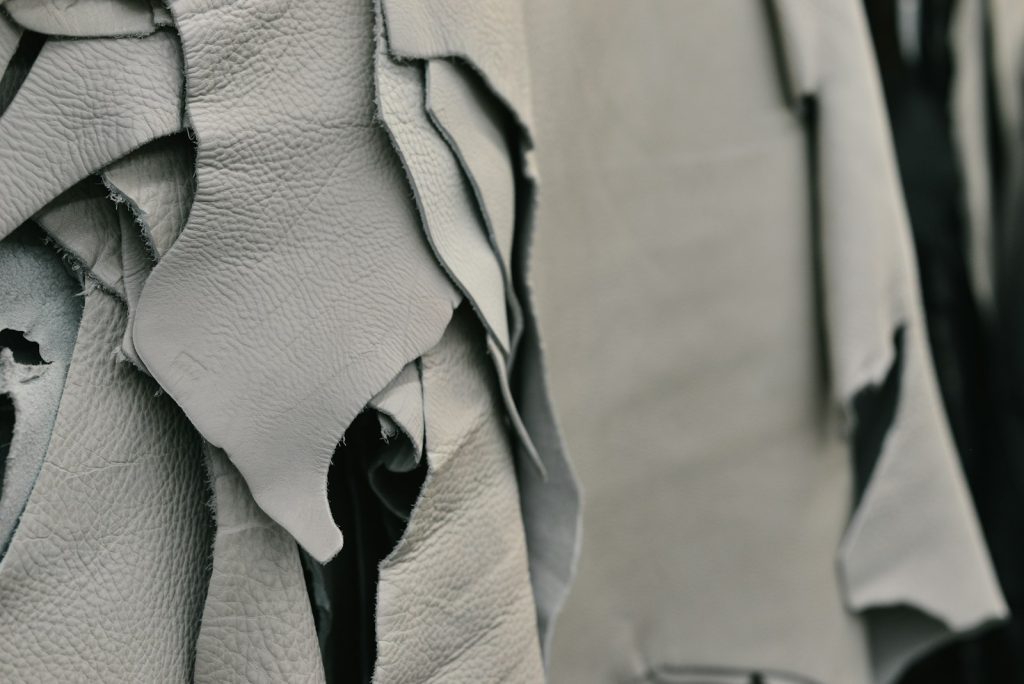
A crocodile leather tannery is a specialist facility that turns raw crocodile skins into finished, usable leather for bags, wallets, watchstraps and other goods. In a serious crocodile leather tannery, every step—from salting to final finishing—is controlled by species, grade, CITES paperwork and intended end use.
What Makes a Crocodile Leather Tannery Different?
Most general tanneries are built for bovine hides. Crocodile and other exotic leather tanning needs very different chemistry, handling, and quality control. A few key differences:
– Smaller, irregular skins instead of large, regular hides.
– Higher per‑skin value, so defects matter far more.
– CITES-regulated species and export rules.
– Fashion-driven finishes: gloss, semi‑gloss, matte, nubuck, aniline, metallic, etc.
In Southeast Asia—especially in every major crocodile tannery Indonesia allows to export—production is geared toward:
– Crocodylus porosus (Saltwater crocodile – premium, fine belly scales).
– Crocodylus siamensis / hybrids (often farmed for the domestic and mid‑range export market).
Globally, exotic leather tanning also includes:
– Crocodylus niloticus (Nile crocodile – widely used in Europe and South Africa).
– Alligator mississippiensis (American alligator – common in US and Italy).
– Caiman (several Caiman species – lower price, stiffer, more boniness).
A serious crocodile tannery will always distinguish these species explicitly. Porosus is not the same as alligator; caiman is not a “budget porosus.” For collectors and brands, the tannery’s ability to separate, grade and finish by species is central to both quality and pricing.
From Raw Skin to Finished Hide: The Core Tannery Workflow
1. Sourcing, CITES and Farm/Harvest Origin
Before the tanning drum ever turns, the key compliance pieces are:
– Species identification: porosus, niloticus, alligator, caiman, etc.
– CITES Appendix:
– Most commercial crocodilians (porosus, niloticus, American alligator) are CITES Appendix II, with tightly regulated trade.
– Source code on CITES permits:
– C = Captive-bred (commercial farms)
– F = Born in captivity (not necessarily bred in a controlled environment)
– R = Ranched (eggs or juveniles taken from the wild, reared in captivity)
– W = Wild (still regulated, often restricted or not used for fashion)
For Indonesia’s farmed C. porosus industry, export skins are typically source code C or F, grown on licensed farms and exported under CITES Appendix II permits.
A crocodile leather tannery does not issue the CITES export permit; that is handled by the exporting country’s CITES Management Authority. However, any reputable tannery keeps:
– Copies of CITES export/import permits for each batch.
– Farm or supplier documentation linking skins to tag numbers and harvest dates.
– Clear segregation of species and origins in storage.
2. Preservation: Salting and Freezing
Once a crocodile is harvested and skinned:
– The raw skin is fleshed (meat and fat removed).
– It is then heavily salted and often chilled or frozen before transport.
For high-end porosus and niloticus, preservation is conservative to prevent bacterial damage that can permanently weaken fibers or cause hairline cracks later. At this stage, skilled graders already start rejecting skins with serious defects.
3. Soaking, Liming and De‑scaling
In the tannery, the dried/salted crocodile skins are:
– Rehydrated/soaked to restore moisture.
– Liming and unhairing are adapted; crocodiles do not have hair, but liming swells fibers and helps loosen any remaining tissue.
– De‑scaling is targeted; the hard scutes (especially on the back) are treated differently from the flexible belly.
Exotic leather tanning here is about precision. Too aggressive a chemical process and the thin flanks tear; too mild and the leather remains stiff and resistant to penetration in later stages.
4. Pickling and Tanning (Chrome or Vegetable)
After liming:
– Pickling with acid and salt lowers the pH to prepare the skin for tanning agents.
– Tanning itself usually uses:
– Chrome tanning for soft, supple, color-vibrant skins. This is standard for fashion-grade crocodile leathers.
– Vegetable or mixed tanning in some niche applications (e.g., certain watch straps or specific country regulations), but less common for full bags due to stiffness.
Chrome-tanned crocodile leather, properly neutralized and finished, is stable, soft, and color-consistent. For top-end porosus belly, tanneries may use proprietary chrome formulations to achieve the right balance of fullness and drape.
5. Splitting, Shaving and Grading
Once tanned, skins are:
– Shaved to a target thickness, usually between 0.8–1.6 mm depending on end use:
– Wallet interiors, watch straps: toward the thinner side.
– Structured bags and larger panels: slightly thicker.
At this stage, grading becomes critical. For crocodile and alligator, grades usually reflect:
– Presence/absence of scars, holes, growth marks.
– Belly scale uniformity and symmetry.
– Size and usable cutting area.
Crocodile Leather Grading, Species and Uses
Below is a simplified comparison of common species, typical grades for bags, and indicative usage. These are generic industry patterns; individual tanneries may use slightly different letter/number systems.
| Species | Typical CITES Status | Typical Grades Used for Bags | Key Visual Traits | Common Uses |
|---|---|---|---|---|
| Crocodylus porosus (Saltwater) | Appendix II, farmed (C/F) and ranched (R) | Grade I–II for luxury bags; III for smaller goods | Very fine, small belly scales; tight, elegant pattern | High-end handbags, small leather goods, watchstraps |
| Crocodylus niloticus (Nile) | Appendix II, captive/ranching systems | Grade I–III for bags | Larger, more pronounced belly scales | Luxury/mid-lux bags, belts, wallets |
| Alligator mississippiensis | Appendix II with US state quotas | Premium grades for formal goods | Rounded, irregular scales; distinct umbilical scar | High-end bags, watchstraps, shoes |
| Caiman species | Appendix II (varies by species/region) | Commercial grades, more tolerance for defects | Bonier, more rigid, visible calcium deposits | Entry-price exotic bags, boots, belts |
For a single structured crocodile handbag, the tannery and workshop typically plan:
– Porosus or niloticus tote (30–35 cm): often 2–3 full belly skins, depending on size and pattern matching.
– Small flap bag (20–25 cm): often 1–2 skins, again depending on species and panel layout.
– Caiman bag: skin count similar, but usable area per skin may be smaller due to defects and stiffness.
Material cost per bag can range widely. As of last verified June 2026, wholesale tanned belly skins may fall roughly into:
– Porosus Grade I/II: high three-digit to low four-digit USD per skin, size-dependent.
– Niloticus Grade I/II: low-to-mid three-digit USD per skin.
– Alligator: typically between niloticus and porosus, depending on size and US sourcing.
– Caiman: significantly lower; often a fraction of porosus pricing.
Exact numbers depend on size, grade, finish, current demand, and negotiation; all final pricing is by personalized quote.
Finishes: Gloss, Matte and Beyond
After tanning and shaving, crocodile skins move to the retanning, dyeing and finishing departments.
Aniline, Semi-Aniline and Pigmented
– Aniline: Transparent dyes, minimal surface pigment.
– Pros: Shows natural grain and depth beautifully.
– Cons: Requires very clean grade skins; more sensitive to scratches and light.
– Semi-aniline: Thin pigment layer + aniline, balancing natural look and protection.
– Pigmented: Heavier coatings; more uniform, more forgiving of defects, but slightly less “alive” visually.
High-end porosus often uses semi-aniline or carefully controlled aniline finishes to showcase the smaller belly scales.
Gloss vs Matte Crocodile
– High gloss: Achieved through glazing (often with a glass or agate roller) and specific finishing resins.
– Common in classic “formal” crocodile bags and small leather goods.
– Matte: Subtle sheen, more contemporary, often feels softer and less rigid.
– Popular for everyday luxury bags that need to dress down slightly.
Some tanneries offer nubuck or suede-like crocodile, created by lightly buffing the grain. This is visually striking but more delicate and requires careful care.
Specialty Exotic Leather Tanning Effects
Advanced crocodile leather tanneries may also produce:
– Two-tone effects (darker along the scale edges).
– Metallic or pearlized finishes.
– Hand-dyed patinas, especially for bespoke or artisanal houses.
Each effect adds labor and technical risk; consistent two-tone on porosus belly, for example, requires experienced finishers and careful QC.
Crocodile Tannery Indonesia: Role in the Global Supply Chain
Indonesia is a long-standing producer of farmed Crocodylus porosus. A typical crocodile tannery in Indonesia that works with export-grade porosus will:
– Source salted or crust (partly processed) skins from licensed Indonesian farms.
– Operate under Indonesian CITES Management Authority quotas and approvals for exports.
– Sell finished crust or fully finished leathers to:
– European and Asian luxury manufacturers.
– OEM/private-label producers in Asia.
– Specialist workshops globally.
For international buyers, the main points to verify with any crocodile tannery Indonesia offers include:
– Clear species labeling on offers and invoices (porosus vs “crocodile” generic).
– CITES permit process and timelines for export.
– Traceability to farm code and harvest year, at least at batch level.
– Finishing capabilities: sample swatches, color lab, finish library.
Crocodile Leather Bags does not publish or imply tannery relationships we cannot document. If you request a sourcing introduction, we will only connect you to operators we have vetted for:
– Species transparency.
– CITES compliance in their own jurisdiction.
– Reasonable QC standards relative to price point.
For bespoke or wholesale projects that require help navigating Indonesian or regional exotic leather tanning, you can plan your trip through our sourcing desk or coordinate via WhatsApp for remote sampling and RFQs.
From Finished Skin to Bag: What the Tannery Determines
Even though bag-making happens in a separate workshop, many of the bag’s characteristics are locked in at the tannery stage.
Cut Orientation: Belly vs Back
– Belly cut (ventral):
– Smooth, relatively flat scales.
– Preferred for luxury handbags, wallets and watchstraps.
– Back cut (dorsal):
– Prominent, raised osteoderms (“horny” scales).
– Used for more rugged designs, boots, some belts.
Most high-end handbags you see from major luxury houses (no affiliation) are made from belly-cut porosus or niloticus. The tannery’s job is to preserve this belly area as flat and defect-free as possible.
Thickness and Hand Feel
– A 1.0–1.2 mm belly porosus for a flap bag will feel supple yet supportive if retanning is done correctly.
– Too thin or over-softened leather can stretch at stress points (strap, flap edges).
– Too thick can make the bag heavy and boxy.
Tanneries adjust retanning agents, fatliquors and mechanical softening (staking, milling) to meet brand specifications.
Color Matching and Batch Consistency
For B2B and private-label buyers, batch consistency is critical:
– A single bag may use 2–3 skins; all must match in shade, gloss level and softness.
– Reorders need to be close enough to previous production that clients cannot see batch differences.
This is why production buyers often reserve full dye lots at a crocodile leather tannery and align their cutting and manufacturing runs accordingly.
Basic Care Considerations (Tannery Perspective)
Tannery-applied finishes heavily influence care:
– Gloss porosus / niloticus
– More resistant to light soiling.
– Avoid harsh cleaners; use a soft, slightly damp cloth, then dry.
– Matte / semi-aniline
– More prone to darkening from oils.
– Store away from strong sunlight; avoid over-conditioning, which can add unwanted shine.
– Light colors
– Show color transfer faster (e.g., from dark denim).
– Tannery finishes can include anti-dye-migration systems, but no finish is invulnerable.
Regardless of finish:
– Avoid prolonged saturation (heavy rain, soaking).
– Do not attempt DIY re-dyeing or stripping; tannery chemistry is complex and missteps are hard to reverse.
– For serious damage, professional exotic-leather repair is preferred.
B2B, Wholesale and OEM: Working With Crocodile Leather
For brands and workshops exploring crocodile or other exotics, a structured approach minimizes risk:
1. Define Species and Price Band
– Top-tier positioning: porosus or alligator, Grade I–II.
– Luxury but more accessible: niloticus, good commercial grades.
– Entry exotic: caiman, clearly labeled as such and designed around its stiffness.
2. Decide Finish and Product Type
– Formal, dressy line: high-gloss, darker colors, structured bags.
– Casual luxury: matte or semi-matte, mid-tones, softer constructions.
– Small leather goods: smaller panels mean more efficient use of skins, but demand near-perfect grading for visible areas.
3. Plan Skins-per-Product and MOQ
Your manufacturer or pattern maker should confirm:
– Skins needed per SKU and size.
– Acceptable mix of grades (e.g., Grade I for front panels, Grade II–III for gussets and internal pieces).
4. Confirm CITES and Import Requirements
– Verify CITES Appendix and source codes for all species you intend to use.
– Align with your importer on permit needs and lead times.
– Remember: CITES regulates *international trade in the skins and finished products*, not just raw hides.
Crocodile Leather Bags can help you map these steps, review sample specs, and connect you with compliant manufacturers and, where appropriate, tanneries or traders. To discuss exotic-leather OEM or private-label projects, you can plan your trip (including WhatsApp-based sourcing calls) with our team.
FAQs: Crocodile Leather Tanneries and Exotic Leather Tanning
Is crocodile leather legal if it comes from a tannery?
Legality depends on the species, origin, and CITES paperwork, not just the fact that a tannery processed the skin. Most commercial crocodilians (porosus, niloticus, American alligator, many caiman) are traded under CITES Appendix II with strict permit rules. A legitimate crocodile leather tannery will work only with legally sourced, documented skins and provide details needed for CITES export/import. This information must then match the permits used for your shipments.
What is the difference between porosus, niloticus, alligator and caiman leather?
Porosus (saltwater crocodile) has very fine, small belly scales and is widely considered the most premium for formal handbags and small leather goods. Niloticus (Nile crocodile) has larger, more pronounced belly scales and is common in European and African supply chains. American alligator has a softer, rounded scale pattern and distinctive umbilical area, and is popular for high-end goods, especially in the US and Italy. Caiman is more rigid and “bony” due to calcium in the scales; it is less expensive and used for entry-level exotics. Each should be labeled accurately; caiman is not “porosus” and alligator is not “Nile crocodile.”
How many crocodile skins are needed for one handbag?
It depends on the bag size, species, and pattern layout. As a rough guide, a medium porosus or niloticus tote (around 30–35 cm) may take 2–3 full belly skins, while a small flap bag can sometimes be cut from 1–2 skins. Caiman has similar skin counts but more waste due to defects and stiffness. Exact requirements should be calculated by your pattern maker on real-size templates.
Are crocodile-embossed cowhide bags the same as exotic leather?
No. Crocodile-embossed cowhide uses a stamped pattern on bovine leather to imitate the look of crocodile scales. It does not use any part of a crocodilian species and is not regulated under CITES. Real exotic leather must be labeled by species (e.g., crocodile, alligator, caiman) and is priced, graded, and regulated very differently from embossed cowhide.
Can I visit a crocodile leather tannery to source directly?
In some countries, yes, but many tanneries prefer to work through agents or established manufacturers, especially for smaller volumes. Site visits often require prior arrangement, NDAs, and clear project parameters. If you are serious about sourcing exotics for a collection or private-label line, we can help assess whether direct tannery engagement or working through a finishing/manufacturing partner makes more sense. You can plan your trip and coordinate details with us over email or WhatsApp before committing to travel.