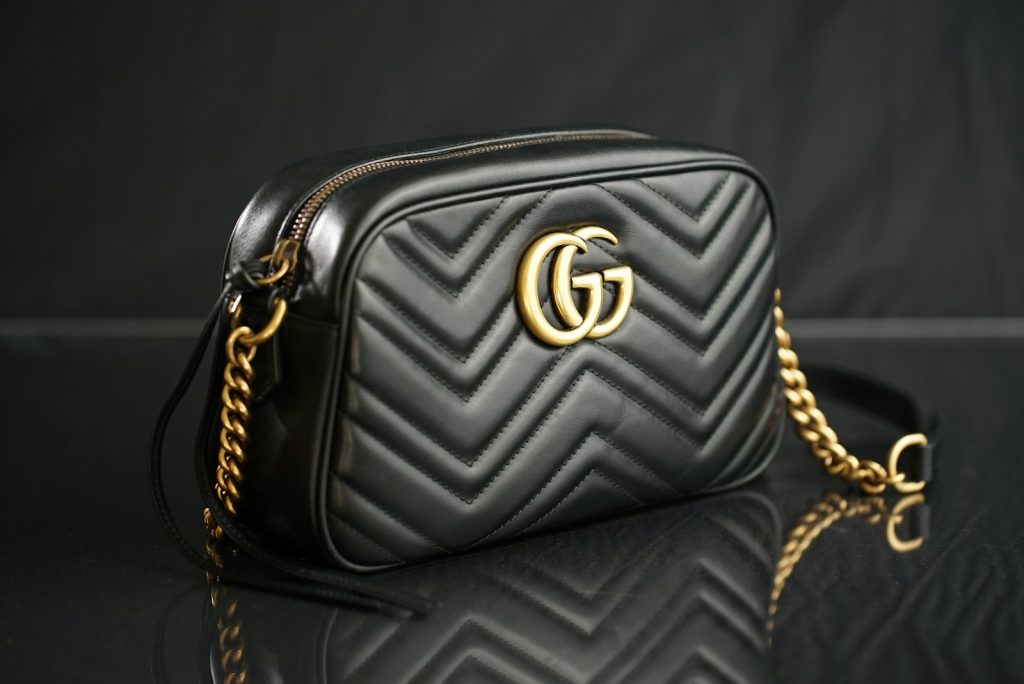
Honest sourcing note: “Crocodile”, “alligator” and “caiman” are different species. The premium crocodilian is saltwater crocodile (Crocodylus porosus); Nile crocodile (C. niloticus) is very high but usually below porosus; American alligator (Alligator mississippiensis) is a separate prized category; caiman is the entry tier. We label species accurately and never sell embossed calf as exotic. Genuine crocodilian is CITES-regulated (typically Appendix II, farmed/ranched, source codes C/F/R); international orders ship with documentation, and you are responsible for your country’s import rules — this is general information, not legal advice. Prices are indicative ranges (mid-2026); final pricing is by quote. Luxury houses are referenced only as neutral examples — we have no affiliation. We are an independent authority and sourcing desk and connect you to vetted makers.
A crocodile messenger bag is a shoulder or crossbody bag built in a vertical or horizontal messenger format using genuine crocodilian skin, not embossed cowhide. In this guide, “crocodile messenger bag” means a bag made from true crocodile or alligator leather (porosus, niloticus, American alligator, or caiman), with species and construction details specified clearly.
What Makes a Crocodile Messenger Bag Different?
Most “luxury” messenger bags are calf or cowhide. A crocodile leather messenger bag is different on three levels: the material itself, the way the panels are cut and matched, and how it ages in daily use.
1. Real crocodilian vs embossed leather
A lot of bags sold online as “crocodile” are actually embossed bovine leather. You can usually tell by:
– Repeating, perfectly regular scale pattern
– Very shallow “scales” with no transition between large and small tiles
– Vague or missing species name (just “genuine leather” or “croc pattern”)
A true exotic messenger bag will specify:
– Species:
– Saltwater crocodile (Crocodylus porosus, often “porosus”)
– Nile crocodile (Crocodylus niloticus, “niloticus”)
– American alligator (Alligator mississippiensis, “alligator”)
– Caiman (usually Caiman crocodilus or related species)
– Cut (belly vs hornback)
– Finish (glossy, semi-matte, matte)
– Origin and CITES context
If a seller cannot tell you exactly which species is used, chances are it is not what serious collectors consider “investment-grade” exotic.
2. Belly vs hornback for messenger format
Messenger bags present large, flat surfaces — front flap, back panel — which makes cut choice important:
– Belly cut (sometimes “front cut” or “flank”)
– Larger, more regular scales
– Cleaner, dressier look
– Best if you want something that can go from office to formal settings
– Hornback (the dorsal ridge along the back)
– Raised, bony scutes running along the centre
– More aggressive, statement aesthetic
– Typically used for the flap or a central panel, not the whole bag, due to stiffness
For true everyday use, most clients end up in belly-cut porosus, niloticus or alligator, reserving hornback details for accent pieces or smaller bags.
3. Practical daily wear
Used properly, a crocodile messenger bag is absolutely a daily bag, not just a “special occasion” piece. A few realities:
– High-end porosus, niloticus and alligator are tougher than most people think, especially in matte or semi-matte finishes
– They will mark and gain patina with use; this is normal, especially on corners and strap contact points
– Caiman is stiffer and more brittle; for heavy daily carry it’s more of a budget-conscious choice than an heirloom one
If you treat it like a good briefcase — not like a disposable nylon messenger — it will last many years.
Species: Porosus vs Niloticus vs Alligator vs Caiman
Species choice determines price, feel, and how “refined” the bag looks. Below is a factual comparison for messenger bag applications.
| Species | Typical Use in Messenger Bags | Look & Feel | Durability (Daily Use) | Relative Price* (skin cost) |
|---|---|---|---|---|
| Porosus (saltwater crocodile) | Top-end, formal or business messenger bags | Very fine, tight scales; ultra-luxury “house” aesthetic | Excellent with proper finish; good corner reinforcement needed | Highest |
| Niloticus (Nile crocodile) | High-end everyday and travel messenger bags | Slightly larger, more pronounced scales than porosus | Very good; popular balance of luxury vs cost | High, below porosus |
| American alligator | US-friendly luxury messenger and business bags | Rounder, softer scale shape; prestigious in US market | Excellent; very forgiving in matte/soft finishes | Comparable to porosus in many markets |
| Caiman | Entry-level exotic messenger bags | More rigid, uneven tiles; visible bony plates | Moderate; more prone to cracking at flex points | Lowest |
*Relative price direction only, based on global exotic-skin markets last verified June 2026. Final bag cost depends on design, grades, lining, hardware and labour.
All four can be legal to trade when properly farmed or ranched and exported/imported under CITES permits. The species label is not marketing garnish; it is part of the legal documentation chain.
CITES and Legal Sourcing (Non-Legal Summary)
All crocodilians used for a genuine crocodile leather messenger bag are regulated wildlife. Broadly:
– Porosus and niloticus are usually traded under CITES Appendix II
– American alligator is also internationally regulated, despite strong conservation success in the US
– Caiman species are CITES-listed as well in most commercial contexts
On CITES tags and permits you’ll see source codes such as:
– C – Captive-bred
– F – Born in captivity (not necessarily from captive-bred parents)
– R – Ranched (taken from the wild as eggs or juveniles, raised on farms)
For a finished bag, you typically won’t see the farm tag, but the tannery and exporter will. What matters for you:
– The retailer or maker should be able to tell you the species and that it is from legal, CITES-compliant stock
– For international shipping, export and import permits may be required depending on your jurisdiction
– This is an informational overview only — not legal advice. For specific shipments, consult local wildlife authorities or a customs broker experienced in exotics.
Our sourcing desk only works with suppliers who document species and CITES status on skins, and we match that information into your build specs. If you’re planning a custom crocodile messenger bag and want to understand species and paperwork before ordering, you can plan your trip through options with us on email or WhatsApp.
Construction: How a Proper Crocodile Messenger Bag Is Built
A messenger format uses large panels and high-stress points: flap hinge, bottom corners, strap anchors. Exotic skin has to be used intelligently, not just decoratively.
Skins per bag (realistic ranges)
Quantities depend on bag size and whether the back or gussets are full exotic or mixed with calf. Typical mid-size crossbody or messenger bag (around 30–35 cm wide):
– Full-exotic shell (front, back, flap, gussets):
– 2–3 porosus or niloticus skins, often 34–40 cm class
– 2–3 alligator belly skins of similar size
– 3–4 caiman skins due to smaller usable area per hide
– Hybrid construction (exotic front + flap, leather back/gussets):
– 1–2 porosus/niloticus/alligator skins
– 2–3 caiman skins
Exact usage depends on pattern placement, scale matching, defect avoidance and whether the strap is exotic or calf.
Panel matching and layout
Collectors judge a crocodile messenger bag by how the scales line up:
– Symmetry: On a high-end belly bag, the central line of the belly should run down the centre of the flap or front. Left and right tiles mirror reasonably.
– Scale flow: Front, flap and back should transition naturally — no abrupt cut where tiny tiles meet oversized ones in a jarring way.
– Defect avoidance: Scars, holes, growth marks and bite traces are common. A good cutter hides or trims them into seams and corners.
Luxury houses (for example, Hermès, Louis Vuitton, Gucci — cited purely as market reference, with no affiliation) invest heavily here. You should hold a bespoke piece to a similar standard in proportion to what you’re spending.
Structure, lining, and hardware
For everyday carry, structure matters more than in a small clutch:
– Body structure
– Fully structured: Exotic shell laminated to firm backing, holds its shape, better for laptops/documents
– Semi-structured: Some give in gussets and flap, more casual, still organised
– Lining
– Full leather lining (goat, lamb, or calf) is ideal for longevity
– Textile linings are lighter and cheaper but wear faster at device corners
– Hardware
– Solid brass or stainless steel, often plated (palladium, ruthenium, gold-tone)
– Strap anchors should be backed with internal reinforcement so the exotic skin doesn’t bear the full shear load
An honest spec sheet will name the lining material and hardware type, not just “premium metal” or “luxury lining”.
Grades, Finishes and How They Affect Price
Grading for crocodilian skins is not universal, but most tanneries and brokers use some version of:
– Grade I (or 1): Virtually no visible defects in the main belly area
– Grade II: Minor defects that can be cut around or hidden
– Grade III+: More scars, insect marks or imperfections; good for smaller goods
For a front-flap messenger bag with a large visible surface, you generally want Grade I or II for the primary panels, even if internal or side pieces use lower grades.
Finishes:
– Glossy (polished)
– High reflectivity, “dress” feel
– Shows scratches more quickly, especially in dark colours
– Often chosen on porosus and alligator for formal office bags
– Semi-matte
– Subtle sheen, more forgiving to wear
– Good compromise for a daily crocodile leather messenger bag
– Matte
– Natural, low-sheen, “stealth wealth” look
– Hides small scuffs well and ages gracefully
For an everyday exotic messenger bag that sees public transport, café tables and airport bins, matte or semi-matte is usually the most rational choice.
Price Ranges for Crocodile Messenger Bags (Mid-2026)
Without inflating or lowballing, here is a realistic view of pricing tiers for genuine crocodilian messenger bags, last verified June 2026. These are indicative ranges only; every project is priced by quote.
- Entry-level caiman messenger
-
– Typical construction: Caiman front flap and panel, with cowhide back/gussets; textile or simple leather lining.
– Expected range: roughly mid-hundreds to low four figures in USD-equivalent, depending on size and brand margin.
– Use case: First real exotic, casual bag, not an heirloom investment. - Mid-tier niloticus or lower-priced alligator hybrid
-
– Construction: Niloticus or alligator front and flap, calf back and gussets; good lining and hardware.
– Expected range: low-to-mid four figures USD-equivalent, sometimes higher in flagship boutiques.
– Use case: Professional everyday bag, visible exotic without full-exotic cost. - High-end full-exotic niloticus messenger
-
– Construction: Full niloticus shell, leather lining, quality hardware, decent panel matching.
– Expected range: mid four figures to high four figures USD-equivalent.
– Use case: serious exotic user wanting daily functionality plus visible craftsmanship. - Top-tier porosus or alligator full-exotic, house-level build
-
– Construction: Full porosus or alligator shell, Grade I/II skins, meticulous scale matching, leather lining, premium hardware.
– Expected range: often high four figures to five figures USD-equivalent, especially through global luxury houses.
– Use case: collector-grade or executive bag, built to stand beside flagship exotic briefcases.
These ranges include both independent ateliers and major fashion houses (again, any brand names referenced in this article are examples only; we have no affiliation). Taxes, import duties and local retail markups can move numbers significantly in either direction.
If you need a grounded estimate for your own build — “porosus belly, 34 cm, full-exotic shell, leather-lined, business messenger” rather than vague marketing — send your spec wish-list and we’ll plan your trip through options and indicative budgets over email or WhatsApp.
Is a Crocodile Messenger Bag Practical for Daily Use?
Used thoughtfully, yes. Some honest pros and trade-offs:
Advantages
– High wear resistance on main panels, especially in matte/semimatte finishes
– Slim but strong — exotic holds structure better than a very soft calf of the same thickness
– Scales and pattern naturally disguise light surface wear, unlike flat, ultra-smooth box calf
Trade-offs
– Edges and corners still need periodic touch-ups or professional edge re-inking
– Caiman bags can show cracking at heavy flex points if overloaded or neglected
– Exotic is not ideal for extremely wet or abrasive environments (e.g., biking in heavy rain daily without protection)
Treat it as you would a good leather briefcase, not as a rugged outdoor gear bag, and you’ll be fine.
Care and Maintenance for Daily-Carry Exotic Messenger Bags
You do not need a laboratory to care for crocodilian, but you do need discipline.
Basic routine
– Wipe down:
– Lightly wipe with a soft, dry cloth after heavy use, especially if exposed to sweat or city grime.
– Conditioning:
– Use a neutral, exotic-safe conditioner sparingly, a few times per year at most. Over-conditioning can soften structure and dull finish.
– Storage:
– Store on a shelf or in a dust bag with light stuffing (acid-free tissue or soft cloth), strap supported.
– Avoid sealed plastic bags and direct sun.
What to avoid
– Household cleaners or alcohol-based wipes — they can cloud and dry the finish
– Soaking rain without drying: if it gets wet, pat dry, let air dry away from heat, then reassess finish
– DIY recolouring on exotic: major colour restoration and deep scratches are a job for a workshop that actually knows crocodilian, not just “leather in general”
Serious wear (corner blowouts, strap-anchor issues, deep gouges) is repairable in many cases, but you need an exotic-competent repairer. We can often point you toward suitable workshops when you plan your trip with us and describe the issue via WhatsApp photos.
How to Specify a Custom or Bespoke Crocodile Messenger Bag
If off-the-shelf doesn’t match your use case, specifying a custom build is straightforward once you know the key decisions:
1. Define the use-case first
– Laptop size (13”, 14”, 16”) and document format (A4, legal)
– Typical load: ultra-slim carry vs charger, notebook, and accessories
– Carry style: crossbody all day vs mainly hand-carry with shoulder strap as backup
This dictates dimensions, structure, and padding.
2. Choose species and cut honestly
– Want maximum prestige and fine scale: porosus or alligator belly
– Want strong luxury but more cost-efficient: niloticus belly
– Want exotic look at entry point and accept trade-offs: caiman (ideally on limited panels, not flex points)
Hornback elements can be added to flap centres or pockets if you want a more aggressive look, but they add thickness and rigidity.
3. Decide how much of the bag is exotic
– Full exotic shell vs exotic front/flap only
– Exotic or leather strap? Many serious users prefer a calf or bullhide strap for comfort and durability, keeping exotic for the body.
4. Panel layout and colours
– Single-skin feature flap vs multiple-skin matched panel
– Classic black, dark brown and navy travel best between dress codes; brighter colours are more fashion-driven and can limit versatility.
Our role at Crocodile Leather Bags is to translate this into concrete, skin-level specs (species, size class, finish, grade and count) and match you with vetted makers who can actually execute. No one can pay to change what we publish; if you proceed with our partner they may pay us a referral fee at no extra cost to you.
FAQs
Is a crocodile messenger bag legal to buy and own?
In many countries yes, as long as the bag is made from legally sourced, CITES-compliant skins and correctly imported. Exact rules differ by country and sometimes by state or province, especially for alligator and certain crocodile species. This article is informational only; for a specific purchase or shipment you should check with local wildlife authorities or a customs broker familiar with exotics.
How can I tell if my crocodile messenger bag is real and not embossed cowhide?
Look for clear species labelling, non-repeating scale patterns, and variation in tile size and shape across the panel. Genuine crocodilian has small vascular pores near the scale edges and subtle transitions between large and small tiles. Embossed leather usually has a uniform, repeating pattern and sellers often cannot specify porosus, niloticus, alligator or caiman by name. Documentation from a reputable maker or retailer is also important.
Is caiman a bad choice for an exotic messenger bag?
Caiman isn’t “bad,” but it is different. It is more rigid and less forgiving at flex points because of thicker bony plates, so it is better suited for decorative panels or less stressed areas of a messenger bag. It is a cost-effective way to get into real exotic, but for heavy daily use and long-term durability, porosus, niloticus or alligator generally perform better.
Can a crocodile messenger bag carry a laptop safely?
Yes, if the bag is designed for it. The key is internal structure and padding, not the fact that the outer shell is exotic. Many bespoke builds specify a padded laptop sleeve, reinforced bottom, and structured gussets so the weight is supported by the frame and lining rather than stretching the exotic panels.
How much should I budget for a high-quality crocodile leather messenger bag?
For a serious, legal, well-constructed messenger using niloticus or alligator, expect to be in the low-to-mid four figures in USD-equivalent at minimum, with top-spec porosus or alligator builds going into the high four figures or above, depending on brand and complexity. Caiman hybrids can come in lower. Every project needs a specific quote based on species, cut, finish, grade, lining and hardware. If you want a grounded range for your own spec, you can plan your trip with our team and refine it over email or WhatsApp.