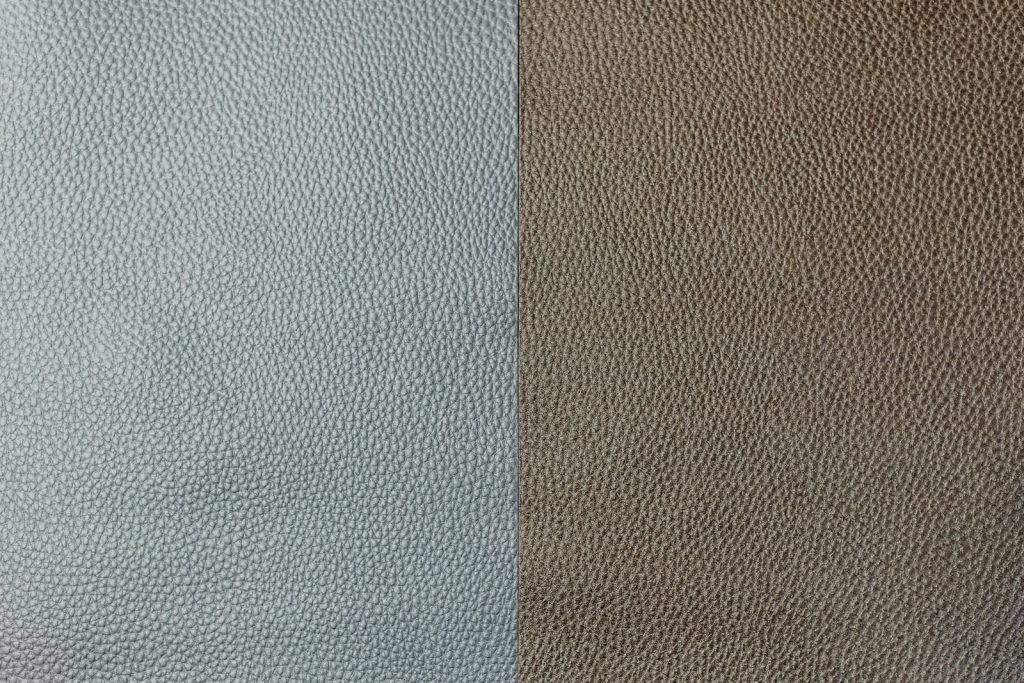
Honest sourcing note: “Crocodile”, “alligator” and “caiman” are different species. The premium crocodilian is saltwater crocodile (Crocodylus porosus); Nile crocodile (C. niloticus) is very high but usually below porosus; American alligator (Alligator mississippiensis) is a separate prized category; caiman is the entry tier. We label species accurately and never sell embossed calf as exotic. Genuine crocodilian is CITES-regulated (typically Appendix II, farmed/ranched, source codes C/F/R); international orders ship with documentation, and you are responsible for your country’s import rules — this is general information, not legal advice. Prices are indicative ranges (mid-2026); final pricing is by quote. Luxury houses are referenced only as neutral examples — we have no affiliation. We are an independent authority and sourcing desk and connect you to vetted makers.
A himalaya crocodile bag is a genuine crocodile-skin handbag dyed to a very specific grey‑to‑ivory gradient that evokes Himalayan mountain ranges. Unlike generic “white” exotics, a true himalaya crocodile bag has a controlled, hand‑built gradient on belly scales from darker edges to a pale, almost chalky centre.
What “Himalaya” Really Means in Crocodile Leather
“Himalaya” in leather is a colour recipe and gradient pattern, not a species and not a model name. The term became famous through the himalaya Birkin crocodile bags made by a major French luxury house (no affiliation), but the underlying principles apply to any himalaya crocodile bag:
– Genuine crocodilian (almost always saltwater crocodile, Crocodylus porosus, or occasionally Nile crocodile, Crocodylus niloticus)
– Belly cut (front cut) for rectangular, symmetric scales
– Very light base shade with controlled grey‑taupe shading at the edges
– Matte or low‑sheen finish; rarely full “mirror” glaze
The effect is difficult to achieve consistently, which is why himalaya crocodile colour is one of the most technically demanding finishes in luxury exotics.
Species Behind a Himalaya Crocodile Bag
Most authentic high‑end himalaya crocodile bags are made from:
– Crocodylus porosus (saltwater / “porosus” crocodile)
– Crocodylus niloticus (Nile / “niloticus” crocodile), less often
– American alligator (Alligator mississippiensis), occasionally for smaller goods, but far rarer in classic “Himalaya” palette
– Never caiman for top‑tier pieces; caiman can be gradient‑dyed, but the grain and bony plates behave very differently
All are CITES‑listed species (Convention on International Trade in Endangered Species of Wild Fauna and Flora). Legal trade uses strictly regulated, non‑wild‑poached sources such as:
– Captive‑bred (CITES source code C)
– Ranched (source code R)
– Farmed (source code F)
Wild‑sourced skins (W) are rare in modern luxury production and typically not used for ultra‑premium, light shades like himalaya because of scar rates and scale irregularities.
Porosus vs Niloticus vs Alligator for Himalaya
The gradient interacts differently with each species’ natural grain:
- Porosus: Very small, tight belly scales; minimal pitting; takes a smooth, even dye. Favoured for the most “graphic” himalaya transitions.
- Niloticus: Slightly larger scales; characteristic “pores” (follicle pits) visible on each scale. Gradient appears more organic, with a bit more “texture” visually.
- Alligator: Rounded, soft‑edged scales; often used in the US market. A himalaya‑style gradient looks gentler and less sharply banded.
- Caiman: Much stiffer, more heavily ossified; belly plates separated by deep grooves. Very challenging to obtain a refined himalaya crocodile colour, and the feel in hand is far less supple.
If a bag is marketed as “Himalaya” but the price seems implausibly low and the species is vague or omitted, you are likely looking at either:
– Embossed calfskin (no CITES needed, cow leather pressed with a crocodile plate)
– Caiman passed off as crocodile
– Generic “light grey” crocodile without a true himalaya gradient
How the Himalaya Crocodile Colour Gradient Is Created
The iconic himalaya crocodile colour is not just “dying the leather white.” It is a multi‑step process that compounds risk at each stage:
1. Selecting the Right Raw Skin
Himalaya finishes are extremely unforgiving. Tanners and ateliers usually insist on:
– Grade I or IA skins (minimal scars, even scale pattern, good flanks)
– Consistent scale size across the central belly
– Clean surface with no healed wounds that would show under very light dye
Lower grades that can be hidden in black or deep colours are rejected for himalaya, because even tiny imperfections are amplified.
2. Base Dyeing and Bleaching
The leather is chrome‑tanned or combination‑tanned as usual, then:
– Lightened to an off‑white / eggshell tone
– Adjusted so that the central belly scales are the palest area
– Carefully controlled so the skin does not become brittle — aggressive bleaching would compromise strength and flexibility
The goal is an underlying “canvas” that will hold the later shading cleanly.
3. Hand‑Applied Shading
Artisans then build the gradient by hand:
– Darker grey‑taupe pigment is airbrushed or hand‑sponged along the flanks and edges
– Colour transitions are feathered inward, leaving the centre almost ivory
– Hornback ridges (if used) receive deeper tone at the peaks to emphasise relief
Any mistake can ruin a very expensive skin. The process is closer to painting than standard vat dyeing.
4. Finishing: Matte vs Glazed Himalaya
Most himalaya crocodile bags use a matte or soft‑sheen finish:
– Enhances the natural pores and grain
– Keeps the gradient looking “powdery” and subtle
– Ages gracefully; light friction burnishes rather than cracking
A fully glazed himalaya (high gloss from glass‑plating) exists but is rarer:
– Very reflective, mirror‑like
– Shows micro‑scratches more readily
– Gradient appears sharper and slightly darker where pigment is concentrated
Belly vs Hornback: Which Cut for a Himalaya Crocodile Bag?
A true himalaya effect relies heavily on how scales lay across the bag’s panels. Two main cuts are relevant:
Belly (Front Cut)
– Smooth, flat, rounded rectangular scales
– Most himalaya Birkin crocodile bags and similar styles use belly cut
– Allows a very even, symmetrical gradient from left to right
– Easier to match multiple skins for large formats
Hornback (Back Cut)
– Pronounced, bony dorsal scutes along the centre
– More dramatic and architectural; the gradient flows over peaks and valleys
– Surface is more vulnerable to chipping on the high ridges, especially in very light colours
For a classic, collector‑oriented himalaya crocodile bag, belly cut in porosus or niloticus is the benchmark. Hornback himalaya pieces are more niche and wearable as statement items rather than everyday carriers.
How Many Skins Make One Himalaya Crocodile Bag?
A key question for collectors is “how many perfect skins were needed to create this one bag?” For a standard structured top‑handle bag in a himalaya palette:
– Mini / 20–25 cm bags: typically 1 large belly skin, sometimes 1.5 if the pattern requires long, unbroken panels
– Medium / 30–35 cm bags: 2 matched belly skins are common
– Large / travel sizes: 2–3 matched skins, especially if continuous scale alignment is demanded on front and back
For small leather goods (wallets, cardholders):
– 1 belly skin can yield several pieces, so gradient placement is crucial. The palest zones are reserved for focal areas; darker edges become gussets or internal trims.
Because himalaya is so selective:
– The rejection rate in cutting is high; panels with scars, uneven gradient or scale distortion are discarded or used for much smaller goods.
Grades, Specs and Price Ranges for Himalaya Crocodile Bags
Below is a simplified snapshot of how specifications translate into approximate price tiers for himalaya crocodile bags. These are general market observations, not a quote from Crocodile Leather Bags or any specific brand.
All ranges last verified June 2026 for high‑end retail / bespoke; final prices are always by quote.
| Spec | Typical Range / Notes |
|---|---|
| Species | Porosus (top tier), Niloticus (upper tier), Alligator (select markets); caiman rarely used at true luxury level. |
| Cut | Belly/front cut preferred; hornback used mainly for niche styles. |
| Finish | Matte or soft‑sheen most common; full glazed himalaya is rarer. |
| Grading | Grade I / IA skins for main panels; lower grades may be used only for hidden components. |
| Bag Size (structure similar to a classic 25–35 cm top‑handle) | Mini: 1–1.5 skins; Medium: 2 skins; Large: 2–3 skins, carefully matched. |
| Retail price range (independent/bespoke, non‑icon models) | Approx. US$18,000–$60,000+ depending on size, species, finish, hardware and brand positioning (by quote only). |
| Ultra‑iconic branded pieces (e.g. himalaya Birkin crocodile examples) | Primary retail tightly controlled; secondary‑market and auction results can exceed US$150,000+ for rare, top‑condition pieces. |
| CITES Appendix | Most porosus and niloticus trade under Appendix II with permits; American alligator populations currently managed sustainably under Appendix II. |
For context across other finishes, see our broader exotic overview (link from your main pillar, e.g. a dedicated “Crocodile vs Alligator vs Caiman” guide on your site).
Mid‑tier and entry luxury labels may offer “Himalaya‑inspired” gradients at lower price points, but these often involve:
– Less selective grading
– Less refined colour transitions
– Sometimes mixed claims on species
If you are commissioning or buying a himalaya crocodile bag at serious collector pricing, insist on documented species, CITES paperwork for export/import, and clear disclosure on cut, finish and grade.
Thinking about commissioning a himalaya‑style piece in porosus or niloticus? You can plan your trip through the sourcing process with us via email or WhatsApp; we’ll walk you through species, quotas and realistic timelines.
CITES, Legality and Moving a Himalaya Crocodile Bag Across Borders
Every authentic himalaya crocodile bag made from porosus, niloticus or alligator is subject to international wildlife trade rules:
CITES Basics for Himalaya Bags
– Crocodilian species used for luxury leather are managed under CITES Appendix II (except a few local populations with different status).
– Legal export from the producing country typically requires:
– An export permit referencing species, source code and quantity
– Manufacturer or exporter details
– Legal import may require:
– An import permit (depending on the receiving country’s laws)
– Additional registration if the buyer is a commercial entity
Himalaya colour itself has no legal meaning; what matters is the species and origin.
Source Codes You Might See
Typical codes printed on CITES documents for exotic skins:
– C (captive‑bred)
– F (born in captivity, not fulfilling the definition of “bred in captivity”)
– R (ranched from wild‑collected eggs or juveniles)
– W (wild; less common for pale luxury finishes)
This is not legal advice. Regulations change and enforcement differs by country. Before you ship or travel with a himalaya crocodile bag, check your national wildlife authority’s current rules or consult a specialist customs broker.
How a Himalaya Crocodile Bag Ages in Real Use
Collectors often ask whether such a light colour is realistically wearable. The answer depends on your expectations and habits.
Patina and Darkening
Over time, a matte himalaya crocodile bag will typically show:
– Slight darkening of handles and corners from hand oils and friction
– Gentle softening of the gradient; the contrast between centre and edges can mellow
– Localised shine where there is frequent rubbing (clothes, jewellery)
This patina can look beautiful if gradual and even, but if you want to keep a near‑pristine appearance, you must manage contact with:
– Dark raw denim and unstable dyes
– Makeup and sunscreen (especially on the back side of the bag)
– Alcohol‑based sanitisers, which can strip finish and leave matte “rings”
Structural Wear
On porosus and niloticus:
– The leather itself is strong; stitching and edge‑paint tend to be the first failure points, not the scale plates.
– Light colours make every scuff visible; black may hide a bump, while ivory highlights it.
On hornback himalaya bags:
– The tips of dorsal scutes can chip or abrade if banged against hard surfaces.
– Once chipped, recolouring to match a precise gradient is challenging.
Care: Keeping a Himalaya Crocodile Bag White(ish) and Healthy
Caring for a himalaya crocodile bag is about two priorities: protecting the very light colour and maintaining the integrity of the finish and fibres.
Daily Handling Rules
– Clean hands: Avoid handling after applying lotions or sanitiser until fully dry.
– Rotation: Do not carry the same himalaya bag every day; rotate with darker pieces.
– Surface awareness: Place the bag on clean, dry, non‑inked surfaces; avoid newspaper, magazines, and coloured paper shopping bags touching the leather.
Storage
– Store in a breathable dust bag, upright, with paper or shaped supports inside to keep structure.
– Avoid plastic covers; they can trap moisture and encourage finish clouding.
– Keep away from direct sunlight and heat sources; UV can yellow pale finishes over time.
Cleaning and Conditioning
For routine care:
– Use a soft, dry, lint‑free cloth to gently wipe dust.
– For isolated marks, only use a specialist exotic‑safe cleaner, testing on a hidden area first.
– Do not apply generic leather creams, oils or waxes; they can darken the finish and clog pores, especially on matte himalaya crocodile colour.
For serious stains or deep cleaning:
– Work with an atelier experienced in exotics. Rebalancing a gradient is skilled work; aggressive cleaning can leave lighter “holes” or blurry bands.
Water and Humidity
– Light rain spots can normally be blotted immediately with a soft cloth; avoid rubbing.
– Do not use hairdryers or direct heat to “speed dry”; allow the bag to come back to room temperature slowly.
– High humidity storage over time can cause subtle finish dulling; silica‑gel packets in the storage box can help, replaced periodically.
Spotting Mislabelled or Embossed “Himalaya” Bags
Because “himalaya” carries strong marketing power, the term is often used loosely. Key checks:
1. Species Disclosure
Authentic makers will state the exact species:
– “Crocodylus porosus”, “porosus crocodile” or “saltwater crocodile”
– “Crocodylus niloticus” or “Nile crocodile”
– “Alligator mississippiensis” or “American alligator”
Red flags:
– Vague terms like “genuine exotic leather” with no species
– “Alligator” and “crocodile” used interchangeably without Latin names
– No mention of CITES for an item priced at true luxury levels
2. Grain and Backing
Genuine crocodile or alligator:
– Scale edges are irregular, with tiny pores and growth marks
– Back side (if visible) shows natural fibrous suede, not fabric or foam
– Ridges and transitions between scales are organic, not mechanically perfect
Embossed calf:
– Pattern repeats if you look across panels
– Grain looks flat in between “scales”; no real under‑structure
– Edges of scales are too sharp or too uniform
3. Gradient Quality
On true high‑end himalaya crocodile colour:
– The transition between dark and light is smooth, with no obvious airbrush rings
– Darkest shading tracks anatomical edges (flanks, side folds), not arbitrary panel borders
– Hardware cut‑outs (around handle anchors, closures) are placed deliberately to show the cleanest part of the gradient
If the bag is simply light grey or beige without a clear centre‑light / edge‑dark structure, it is not a true himalaya execution, just a pale crocodile.
Commissioning, Bespoke and Wholesale Himalaya Crocodile Bags
If you are looking beyond off‑the‑shelf pieces and into bespoke or small‑run production, expect:
Lead Times and Skin Allocation
– Himalaya‑grade porosus or niloticus skins are limited by both farming/ranched output and tanning capacity.
– Allocating matched pairs or trios for a single client can extend lead times to many months.
– Custom shapes or sizes may require particular skin dimensions, further narrowing selection.
Design Constraints
– Large, uninterrupted panels show the gradient best; extremely panelled or quilted designs can fragment the effect.
– Stitching colour is usually chosen to “disappear” into the palest central area, so tension and thread thickness must be perfect — any irregularity is highly visible on ivory‑like tones.
Wholesale Considerations
For multi‑piece runs:
– Achieving consistent himalaya crocodile colour across 10–50 bags is exponentially harder than producing one showpiece.
– Expect higher rejection rates at QC; slight differences in gradient may relegate some units to different markets or price tiers.
– CITES permits and shipping logistics become non‑trivial; batch planning is required.
If you are considering a bespoke or wholesale himalaya project, you can plan your trip through our sourcing desk via WhatsApp or email. We help specify species, cuts, finishes, grading criteria and realistic budgets before any skin is cut.
FAQs: Himalaya Crocodile Bag Basics
Is a himalaya crocodile bag always made from porosus?
No. Many high‑profile examples use porosus, but himalaya crocodile colour can also be applied to niloticus and, less commonly, alligator. The defining feature is the controlled grey‑to‑ivory gradient on genuine crocodilian leather, not the specific species. For top‑tier collector pieces, porosus belly is currently the most sought‑after combination.
Why is a himalaya crocodile bag more expensive than other exotic bags?
Because it layers multiple forms of scarcity and risk: only the highest grades of skin can take such a pale finish; the gradient requires highly skilled, labour‑intensive work; rejection rates in tanning and cutting are high; and demand among collectors is strong. Compared with a dark, uniform crocodile bag of the same size and brand, the himalaya version typically sits at a significantly higher price tier.
Can I safely use a himalaya crocodile bag as an everyday bag?
You can, but you must accept visible patina and be consistent about care. The leather itself is robust if properly tanned, but the very light colour will show colour transfer, corner wear and handle darkening faster than darker exotics. Many collectors reserve himalaya bags for controlled environments and use darker crocodile or alligator for daily rotation.
How can I tell if a himalaya bag is crocodile and not embossed calf?
Check for clear species disclosure, inspect scale patterns for natural irregularity and pores, look at the back of any exposed leather for real suede rather than fabric, and study the gradient. On embossed calf, the “scales” are perfectly repeated and the colour gradient often looks uniform or printed. On genuine himalaya crocodile, every scale is slightly different and the darker shading follows the animal’s natural anatomy.
Do I need permits to travel with my himalaya crocodile bag?
Internationally, you may. Many countries require CITES documents or proof of legal import for crocodile and alligator products crossing borders, especially for commercial movements. Personal travel rules vary, and enforcement can change over time. Always check current guidance from your national wildlife or customs authority before flying with an exotic‑leather bag; if in doubt, get written confirmation or professional advice.