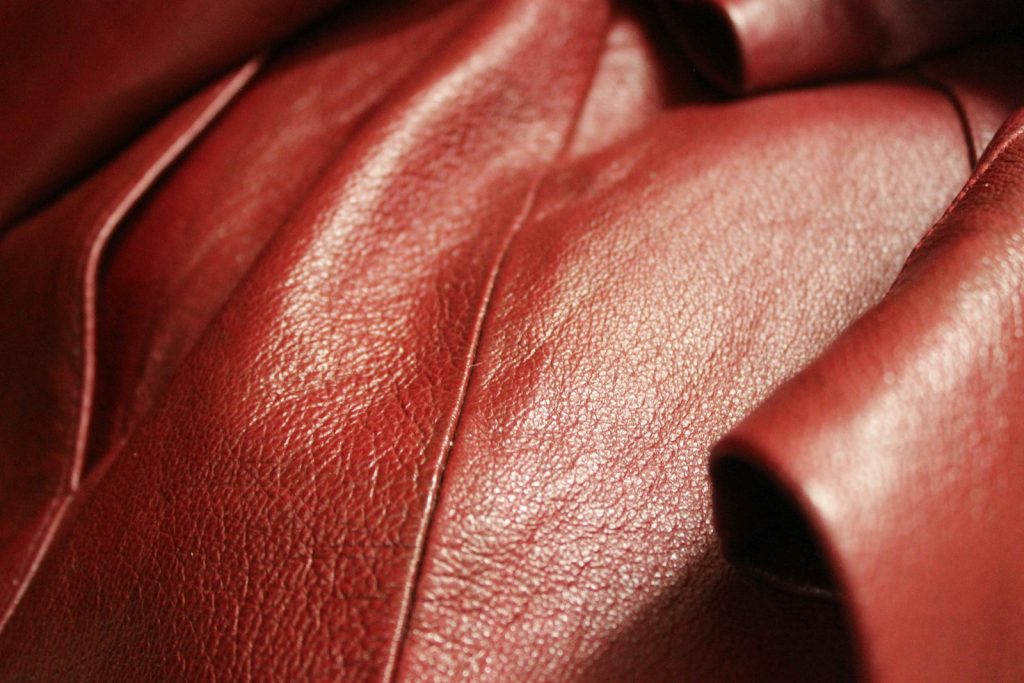
Honest sourcing note: “Crocodile”, “alligator” and “caiman” are different species. The premium crocodilian is saltwater crocodile (Crocodylus porosus); Nile crocodile (C. niloticus) is very high but usually below porosus; American alligator (Alligator mississippiensis) is a separate prized category; caiman is the entry tier. We label species accurately and never sell embossed calf as exotic. Genuine crocodilian is CITES-regulated (typically Appendix II, farmed/ranched, source codes C/F/R); international orders ship with documentation, and you are responsible for your country’s import rules — this is general information, not legal advice. Prices are indicative ranges (mid-2026); final pricing is by quote. Luxury houses are referenced only as neutral examples — we have no affiliation. We are an independent authority and sourcing desk and connect you to vetted makers.
Indonesian crocodile leather refers primarily to farmed saltwater crocodile (Crocodylus porosus) skins raised and tanned in Indonesia for high-end leather goods. This guide explains how indonesian crocodile leather is produced, graded, regulated under CITES, and what that means for collectors and brands sourcing bags from Indonesia.
What Is Indonesian Crocodile Leather, Exactly?
Indonesia is one of the world’s key producers of farmed Crocodylus porosus, the saltwater crocodile long favored by top luxury houses for its fine, tight scale pattern and high yield of premium belly panels.
In practice, “Indonesian crocodile leather” usually means:
– Species: Crocodylus porosus (saltwater crocodile) from licensed farms
– Origin: Live animals hatched/raised in Indonesia; tanning may be in Indonesia or exported as crust to other countries
– End-use: Handbags, small leather goods, footwear, watchstraps and belts in the luxury to ultra-luxury segment
Other crocodilians do appear in Indonesia’s leather trade, but each should be labeled precisely:
– Crocodylus porosus – “porosus”, “saltwater crocodile”, often called “saltie” in industry
– Crocodylus siamensis – Siamese crocodile (less common in luxury handbags)
– Alligator mississippiensis – “American alligator”; imported skins, not native to Indonesia
– Crocodylus niloticus – “Nile crocodile”; imported from African range states
– Caiman species – typically Caiman crocodilus or related species; lower price-point exotic used in some indonesia exotic leather bags, especially mass-market
Any honest Indonesian supplier should be able to state the exact species and CITES origin code on request. If not, treat that as a red flag.
CITES & Legality: How Indonesian Crocodile Leather Is Regulated
All true crocodile, alligator and caiman species used for leather are covered by CITES (the Convention on International Trade in Endangered Species of Wild Fauna and Flora). Trade is legal only with the right permits and within annual quotas.
For Indonesia and C. porosus, the usual framework is:
– CITES Appendix I or II
– Wild C. porosus populations in many range states are Appendix II with ranching/farming programs approved.
– Trade in skins from legal farms is allowed under Appendix II with strict documentation.
– Typical CITES source codes you will see for Indonesian crocodile leather:
– C – Bred in captivity in accordance with CITES Resolution Conf. 10.16 (captive-bred)
– F – Born in captivity (F1 or subsequent) but not meeting all “C” criteria
– R – Ranched (taken as eggs or juveniles from the wild, raised on farms)
These codes matter:
– For import into the EU, UK, US, Japan and other major markets
– For re-export once your bag or wallet is finished
– For insurance, provenance and long-term resale value
This article is general information, not legal advice. Regulations evolve; brands, designers and collectors should always cross-check CITES and national wildlife authority guidance for the specific export/import route and year of shipment.
Indonesia’s Crocodile Farms: From Hatchling to Finished Skin
Indonesia has a long-established farmed C. porosus industry, particularly in eastern regions where saltwater crocodiles are native and captive-breeding programs are under government supervision.
Key features of the farming model:
Closed-cycle breeding and hatcheries
– Breeding stock kept in controlled enclosures
– Eggs collected, incubated and hatchlings raised on-farm
– Mortality, feed and growth data are logged for compliance and quota-setting
Grow-out and humane slaughter
– Crocodiles grown to target size, usually 3–5 years for handbag-quality skins
– Humane slaughter protocols required by Indonesian law and international buyers
– Skins are flayed, salted and graded on-site or at specialized collection points
Traceability expectations
For high-end B2B buyers (OEM, private label, or large workshop orders):
– Farms should provide:
– Farm registration number
– CITES source code (C/F/R)
– Batch or tag numbers linking skins to CITES export permits
– Better operators will also offer:
– Date of slaughter / tanning
– Size range in centimeters (belly width)
– Basic defect notes (bites, scars, holes)
If a seller of bali crocodile leather cannot show you sample CITES documents or at least blank templates, proceed very cautiously. “No documents needed” is almost always incorrect for genuine crocodile outside the country of origin.
Indonesian Tanneries & Finishes: What You Can Realistically Expect
Indonesia has both:
– Export-oriented crocodile tanneries focused on crust or finished skins for international brands and factories
– General leather tanneries that sometimes finish imported exotic skins (alligator, niloticus, caiman)
From a buyer’s perspective, the key questions are less “which tannery?” and more:
– Are the skins tanned to a stable, even standard suited to handbags?
– Is the finishing (aniline, semi-aniline, glazed, nubuck) consistent across the batch?
– Can the tannery or trader provide a clear spec sheet?
Common finishes you will see on Indonesian crocodile leather:
– Classic aniline (matt/satin) – Soft hand, visible natural grain, small scars remain visible
– Semi-aniline – Slightly more pigment; improves color uniformity while keeping texture
– Glazed – High-gloss polished finish, often used for formal handbags and small leather goods
– Nubuck / brushed – Luxurious hand, less common due to higher maintenance needs
Quality varies by batch and customer spec. High-luxury-level finishing is still often done in traditional exotic hubs (e.g., parts of Europe or Asia) using Indonesian crust, but Indonesia-based finishing has improved steadily and can produce very competitive results for many OEM and private-label programs.
Species, Grades & Yields: How Many Skins for a Bag?
For collectors and brands, understanding species and grading is non-negotiable. Below is a simplified comparison of crocodilian species commonly encountered in indonesia exotic leather bags, including those sourced via Indonesia.
| Species / Type | Typical Origin | CITES Appendix | Typical Use | Visual Traits |
|---|---|---|---|---|
| Crocodylus porosus (saltwater crocodile) | Indonesia, Australia, SE Asia farms | II (farm/ranch) | High-end handbags, SLG, watchstraps | Small, tight belly scales; minimal umbilical scar |
| Crocodylus niloticus (Nile crocodile) | Africa (exported/tanned globally) | II (farm/ranch) | Mid–high-end bags, shoes | Larger, more rectangular belly scales; more visible umbilical scar |
| Alligator mississippiensis | USA (imported to Indonesia as skins) | II | High-end wallets, bags | No umbilical scar; fine, irregular scale pattern |
| Caiman (e.g., Caiman crocodilus) | Latin America (imported) | II | Entry-level exotic bags, belts | Bonier look, more pronounced osteoderms, stiffer hand |
For Indonesian C. porosus, grading typically focuses on:
– Location: Belly (ventral) is highest value; flanks and tails lower
– Defects: Bites, scratches, insect marks, scars, holes
– Umbilical scar: Position and clarity matter for centre-panel bags
– Size: Belly width in centimeters; larger skins command a premium
A simplified grade breakdown for handbag use:
- Grade I / I–II (Premium)
- Minimal visible defects on belly, strong symmetry, suitable for top-tier handbags with large uninterrupted panels.
- Grade II–III (Standard luxury)
- Some minor defects that can be cut around or placed in less visible areas; suitable for most high-quality bags and wallets.
- Grade III+ (Economy / small goods)
- More pronounced marks and scars; often used for smaller goods, patchwork designs, or heavily pigmented finishes.
How many skins per bag?
– Small classic women’s handbag (porosus belly, single front panel):
– 1–2 skins (depending on size, pattern orientation, and whether the back is pieced)
– Larger tote or travel bag in porosus:
– 2–4 skins, sometimes more if strict pattern matching is required
– Wallets and SLG (small leather goods):
– 1 skin can yield multiple items, but defects and scale layout reduce the theoretical count
Caiman or flank-based constructions may use more pieces and more visible seam work to control cost.
Price Ranges: Indonesian Crocodile Leather Bags & Skins
All pricing below is indicative, last verified June 2026, and always “final by quote” given currency, freight and tannage variables. We do not publish fixed price lists, and no one can pay to change what we publish; if you proceed with our partner they may pay us a referral fee at no extra cost to you.
For context (retail-equivalent ranges, not our quotes):
– Finished C. porosus belly handbag from reputable Indonesian or international maker:
– Roughly USD 3,000–12,000+ depending on size, hardware, and brand positioning
– Finished C. niloticus belly handbag:
– Roughly USD 2,000–7,000+
– Caiman handbag (entry-level exotic):
– Roughly USD 400–1,500+
– Raw or crust C. porosus skins (farm origin, export-grade, per skin):
– Roughly USD 400–1,200+ depending on size, grade, and finish spec
These bands overlap heavily with what major luxury houses charge for comparable species and cuts (for context only; we have no affiliation with them). Handwork, brand equity and retail overhead add substantial mark-up beyond material cost.
If you are scoping an OEM or private-label run using Indonesian crocodile leather, contact us with your target style, order volume and species preferences; we can help structure realistic budgets based on current skin and production costs. You can plan your trip through sourcing options with us by email or WhatsApp, from early spec to RFQ stage.
“Bali Crocodile Leather”: Reality vs Marketing
Bali is a common marketing hook for Indonesian goods, and you will see many references online to “bali crocodile leather” or “Bali exotic leather bags.”
Key realities:
– Crocodiles are not native to Bali; crocodile farms are in other Indonesian regions.
– “Bali crocodile leather” typically means one of two things:
– Bags and small goods made in workshops on Bali using crocodile skins sourced from elsewhere in Indonesia
– Retail shops in Bali selling imported or domestic crocodilian products to tourists
– Legal export is not automatic:
– To take a genuine crocodile bag or wallet home from Bali, you still need CITES export documentation from Indonesia and often import permissions from your own country. Many tourist shops cannot provide this correctly.
– Risk of mislabeling:
– Cheaper items may be caiman or embossed bovine, sold loosely as “crocodile” without clear species disclosure.
– Honest labeling should give: “Caiman leather”, “embossed calf”, “crocodile-embossed cowhide”, etc., not imply C. porosus when the price clearly contradicts it.
If a “Bali crocodile” bag is priced near standard cowhide at a tourist market, it is almost certainly not farmed porosus belly. That does not make it worthless, but buyers should know what they are getting.
Ethical & Traceable Sourcing from Indonesia
For serious collectors, designers and brands, the ethical and traceable dimension of Indonesian crocodile leather is as important as the aesthetic.
Elements to look for:
Farm and tannery transparency
– Farm registration and CITES compliance
– Written confirmation of species and source code (C, F or R)
– Willingness to share at least anonymized scans or templates of CITES export permits
Chain-of-custody documentation
– Batch or tag numbers linking raw skins to farm origin
– Invoices stating species, number of skins, grades and finish
– For finished products, a clear note of species and country of origin
No “mystery exotic”
An ethical supplier will not:
– Mislabel caiman as crocodile to hit a price point
– Vaguely call everything “exotic leather” when asked directly
– Claim wild or “hunting” origin without verifiable documentation
At Crocodile Leather Bags, our sourcing desk only moves forward with partners who can support precise species identification and CITES-compliant paperwork. We will not claim a tannery relationship we cannot document and will tell you frankly if a request is unrealistic for your budget or regulatory route.
B2B, OEM & Private-Label: Using Indonesian Crocodile Leather in Your Line
Indonesia is a practical sourcing base for:
– Brands building a crocodile capsule collection
– Watch and accessory makers requiring consistent porosus straps or details
– OEM factories in Asia and beyond seeking reliable crocodile skin supply
Common scenarios we see:
1. OEM production using Indonesian porosus
– Skins sourced from Indonesian farms, tanned either locally or regionally
– Cut-and-sewn in specialized exotic workshops (in Indonesia or another manufacturing hub)
– Customer provides patterns, brand standards and QC criteria
2. Hybrid lines: porosus + caiman
– Hero SKUs in porosus for flagship stores
– More accessible caiman or stamped-calf SKUs for broader distribution
– Unified design language but clear species labeling and pricing tiers
3. Bespoke / micro-runs
– Small runs (e.g., 10–50 bags) for niche brands or collaborations
– Focus on one or two colors, one finish (often classic matt) to keep MOQs manageable
– Priority on traceable, high-grade bellies rather than maximum volume
If you are planning a line and want a reality check on MOQs, lead-times, CITES feasibility and species choices, you can plan your trip through the options with our sourcing editor via email or WhatsApp. We will help you frame an RFQ that tanneries and workshops can actually execute, and flag compliance issues before they become expensive.
Care & Longevity of Indonesian Crocodile Leather Bags
Once you own a porosus (or other crocodilian) bag, care is straightforward but specific:
Storage
– Keep in a breathable dust bag, not plastic
– Avoid crushing; support the bag’s shape with acid-free stuffing
– Store away from direct sunlight and high heat
Use & handling
– Avoid prolonged exposure to water; crocodile is not waterproof
– Wipe gently with a soft, slightly damp cloth after exposure to dust or light dirt
– Keep away from perfumes, alcohol-based sanitizers and oils, which can stain or dry the finish
Conditioning & repair
– Use only products specifically formulated for exotic leather, and test on an inconspicuous area first
– For deep cleaning, recoloring, or structural repairs, use a workshop with proven experience in crocodile/alligator, not general shoe repair
Well-made bags in Indonesian crocodile leather can last decades with this level of care, and they retain collector interest best when provenance and species are clearly documented from the start.
How Crocodile Leather Bags Can Help
Crocodile Leather Bags (crocodileleatherbags.com) is an independent information resource and sourcing desk focused on:
– Accurate species labeling (porosus vs niloticus vs alligator vs caiman)
– CITES-aware sourcing routes and realistic documentation expectations
– Detailed specs: cuts, finishes, skins-per-bag, grades and indicative price bands
We do not operate farms or tanneries and we do not claim relationships we cannot substantiate. Our role is to help collectors, designers and buyers:
– Understand what “Indonesian crocodile leather” actually entails
– Avoid mislabeling and non-compliant exports
– Structure B2B, OEM and private-label projects that match budget, quality and legal requirements
If you want help specifying a bag, comparing species, or planning a wholesale or private-label order using Indonesian skins, you can plan your trip through the options with us via email or WhatsApp. We can walk you through species selection, grade targets, expected yields and the CITES steps between concept and finished shipment.
FAQs
Is Indonesian crocodile leather legal to buy and own?
Yes, provided it comes from CITES-compliant farms or ranching programs and is exported/imported with correct permits. Legality depends on species, source code (C, F, R) and the regulations in your country, so always confirm documentation for your specific shipment.
What species is usually used in Indonesian crocodile bags?
The primary species is farmed Crocodylus porosus (saltwater crocodile). Some makers also use imported Nile crocodile, American alligator or caiman. Any responsible seller should state the exact species on request.
How can I tell if a “Bali crocodile leather” bag is real porosus?
Check for clear species labeling, realistic pricing and documentation. Genuine porosus with proper CITES papers will not be priced like a standard cowhide bag. If the seller cannot show paperwork or insists that “no documents are needed,” assume it is caiman, embossed bovine or non-compliant stock.
How many crocodile skins are needed for a handbag?
A small to medium porosus belly handbag typically uses one to two skins, depending on size and pattern orientation. Larger totes, travel bags or strict pattern-matched designs can require two to four skins or more.
Can you help my brand source Indonesian crocodile leather for OEM production?
Yes. We can help you frame specifications, species choices, realistic budgets and CITES-aware shipping routes, then connect you to vetted partners. Reach out via our contact-us page to start planning via email or WhatsApp.